
AC Gas Refill: How to Know When Your AC Needs It
Your air conditioner has been your faithful companion through countless hot summer days, but lately something feels off. The cooling isn't what it used to be, and you're wondering if your AC needs a gas refill. This is one of the most common concerns homeowners face, especially in India where air conditioners work overtime during the scorching summer months. Understanding when your AC needs gas refill can save you from discomfort, higher electricity bills, and potentially expensive repairs down the line.
AC gas, also known as refrigerant, is the lifeblood of your cooling system. It circulates through the indoor and outdoor units, absorbing heat from your room and releasing it outside. When gas levels drop due to leakage or other issues, your AC struggles to perform its basic function. Many people assume that gas needs regular refilling like petrol in a car, but this is actually a misconception. In a properly functioning system, the gas operates in a closed loop and should last for years without needing a refill. If you're frequently requiring AC gas refill, it points to an underlying problem that needs addressing through professional AC gas leakage repair.
The good news is that your air conditioner gives you plenty of warning signs before it stops cooling completely. Learning to recognize these symptoms early can help you take action promptly and avoid those uncomfortable nights tossing and turning in the heat. Whether you're experiencing reduced cooling, ice formation on pipes, or unusual hissing sounds, each symptom tells you something specific about your AC's health. This comprehensive guide will walk you through everything you need to know about AC gas refill, from identifying the signs to understanding the refilling process and maintaining your unit for optimal performance.
Most Indian households rely heavily on their air conditioners, particularly in cities where temperatures regularly cross 40 degrees Celsius. An AC that isn't cooling properly can disrupt your sleep, affect your productivity, and make your home unbearable during peak summer. The situation becomes even more frustrating when you don't know whether you need a simple gas refill or a more complex AC gas leakage repair. Understanding the difference and knowing when to call for professional AC Repair Service can help you make informed decisions about your appliance's care.
Through this article, you'll discover the tell-tale signs that indicate low refrigerant levels, learn about the common causes of gas leakage, understand the refilling process, and pick up practical maintenance tips to extend your AC's lifespan. We'll also discuss pricing considerations, safety aspects, and how to choose the right AC service professional for your needs. By the end, you'll be equipped with the knowledge to keep your cooling system running efficiently throughout the year.
Understanding AC Gas and Its Role in Cooling
AC gas, technically called refrigerant, works through a remarkable process of heat exchange. The most common types used in Indian air conditioners are R-22, R-32, and R-410A. Each refrigerant has specific properties that determine its cooling efficiency and environmental impact. The gas continuously cycles between liquid and gaseous states as it moves through the compressor, condenser, expansion valve, and evaporator coil. This phase change is what allows your AC to absorb heat from inside your room and expel it outdoors.
When you turn on your air conditioner, the compressor pressurizes the refrigerant gas, raising its temperature. This hot, pressurized gas flows to the outdoor unit's condenser coil where it releases heat to the outside air and condenses back into a liquid. The liquid refrigerant then passes through an expansion valve that reduces its pressure, causing it to evaporate and become extremely cold. This cold gas flows through the indoor unit's evaporator coil, where it absorbs heat from your room air. The cycle repeats continuously, maintaining your desired temperature.
In an ideal scenario, this is a completely sealed system. The gas doesn't get consumed or used up during the cooling process. It simply changes states and transfers heat. This means a properly installed and maintained air conditioner should never need AC gas refill unless there's a leak in the system. The amount of refrigerant in your AC is precisely measured during installation to match your unit's specifications. Too little gas means inadequate cooling, while too much can damage the compressor and reduce efficiency.
Different AC models and capacities require different amounts of refrigerant. A standard 1.5-ton split AC typically contains between 600 to 900 grams of gas, depending on the pipe length and model specifications. Window ACs generally use slightly less. The type of refrigerant also matters significantly. R-22, once the industry standard, is being phased out globally due to its ozone-depleting properties. Newer ACs use R-32 or R-410A, which are more environmentally friendly and often provide better cooling efficiency.
Understanding this basic functioning helps you appreciate why AC gas leakage repair is crucial. A leak doesn't just reduce cooling efficiency; it also forces your compressor to work harder, increases electricity consumption, and can eventually lead to compressor failure. Moreover, releasing refrigerants into the atmosphere contributes to environmental damage. This is why identifying and fixing leaks should always precede any AC gas refill. Simply topping up gas without addressing the leak is like filling a bucket with a hole in it – a temporary fix that costs you money without solving the real problem.
Clear Signs Your AC Needs Gas Refill
Recognizing the symptoms of low refrigerant is essential for timely intervention. The most obvious sign is when your AC Not cooling well despite running continuously. You've set the thermostat to 18 degrees, the unit is making all the usual sounds, but the room temperature barely drops. This typically indicates insufficient refrigerant to absorb and transfer heat effectively. You might notice that the cooling has gradually decreased over weeks or months, or in case of a sudden leak, the change might be quite abrupt.
Ice formation on the indoor unit's copper pipes or evaporator coil is another telltale symptom. When refrigerant levels are low, the pressure in the evaporator coil drops below normal, causing the temperature to fall below freezing point. This freezes the moisture in the air, creating ice buildup. You might see frost on the copper pipes that connect your indoor and outdoor units, or ice forming inside the indoor unit itself. This ice actually insulates the coil and further reduces cooling capacity. If you notice this, turn off your AC immediately to prevent water damage when the ice melts.
Higher electricity bills without increased usage often indicate that your AC is struggling due to low gas levels. When refrigerant is insufficient, your compressor runs longer and works harder trying to achieve the desired temperature. This extended operation time significantly increases power consumption. If you notice your electricity bills have jumped without any change in your usage patterns or number of operating hours, low refrigerant could be the culprit. Comparing your current bills with those from the same period in previous years can help identify this pattern.
Hissing or bubbling sounds coming from your AC suggest an active gas leak. Refrigerant escaping through a crack or loose connection creates these distinctive noises. A hissing sound usually indicates gas escaping in gaseous form, while bubbling sounds might suggest the leak is in the liquid line. These sounds are often most noticeable near the outdoor unit or along the copper pipe connections. If you hear such noises, it's crucial to call for professional AC gas leakage repair immediately, as continuing to run the AC can damage the compressor.
Warm air blowing from the vents is perhaps the most frustrating symptom. You're standing right under the AC, and instead of the refreshing cool breeze you expect, you feel room-temperature or slightly cool air. This happens because with insufficient refrigerant, the evaporator coil cannot get cold enough to significantly cool the air passing over it. The fan continues to blow air, but the cooling effect is minimal or absent. This is often accompanied by the compressor cycling on and off more frequently than normal.
Common Causes of AC Gas Leakage
Understanding what causes gas leakage helps you prevent future problems and appreciate the importance of professional AC gas leakage repair. The most common culprit is poor installation. When an air conditioner is installed, the copper pipes connecting the indoor and outdoor units must be flared and joined properly. If these connections are not tight enough or if the flaring is improper, tiny gaps allow refrigerant to escape slowly over time. This is why choosing experienced technicians for installation is crucial. A poorly installed AC might develop leakage issues within months, while a properly installed unit can run for years without problems.
Vibration damage occurs particularly in outdoor units that aren't mounted on stable, vibration-damping platforms. The compressor's operation creates constant vibrations that can gradually loosen pipe connections or cause fatigue cracks in the copper pipes themselves. This is especially common in areas with frequent power fluctuations that cause the compressor to start and stop repeatedly. Over time, these vibrations can damage joints, fittings, and even create microscopic cracks in the pipes. Using proper mounting brackets and anti-vibration pads during installation helps minimize this risk.
Corrosion is a significant concern, particularly in coastal cities like Mumbai, Chennai, or Kolkata where salt-laden air accelerates metal deterioration. The copper pipes and aluminum fins in your AC are susceptible to corrosion when exposed to moisture and certain atmospheric conditions. Formicary corrosion, caused by formic acid from household cleaning products or industrial pollutants, creates ant-tunnel-like paths in copper pipes, leading to leaks. Regular AC Cleaning & Service helps identify early signs of corrosion before they lead to major leakage.
Accidental damage during maintenance or repairs is another common cause. When technicians service your AC without proper care, they might accidentally puncture the coil with tools, damage pipes while cleaning, or disturb connections that were previously secure. This is why hiring qualified, experienced professionals for AC service is essential. Reputable service providers carry insurance and take precautions to prevent such damage. Always ensure the technician is trained and uses proper tools for AC maintenance tasks.
Manufacturing defects, though less common, do occur. Some ACs might have weak spots in the coil or pipes that fail prematurely. Quality control issues can result in improperly brazed joints or thin sections in copper pipes that develop leaks within the first few years of operation. This is why buying air conditioners from reputable brands with good warranty coverage matters. Most manufacturers cover gas leakage under warranty if it occurs due to manufacturing defects within the warranty period.
The AC Gas Refill Process Explained
The proper AC gas refill process involves much more than simply pumping refrigerant into your system. A professional technician begins with a thorough diagnosis to confirm that low gas is indeed the problem and to locate any leaks. This involves checking the system pressure using specialized gauges, inspecting all pipe connections, and examining the indoor and outdoor units for signs of oil leakage. Since refrigerant circulates with lubricating oil, oil stains often indicate leak locations. Some technicians use electronic leak detectors or apply soap solution to connections to spot tiny leaks that aren't immediately visible.
Once leaks are identified, AC gas leakage repair must be completed before refilling. Depending on the leak's location and severity, this might involve tightening loose connections, replacing damaged pipe sections, fixing corroded areas, or even replacing the entire evaporator or condenser coil in severe cases. Simply adding gas without fixing leaks is unprofessional and wasteful. The gas will leak out again, you'll face the same cooling problems within weeks or months, and you'll have wasted money on temporary relief. Reputable service providers always insist on fixing leaks before proceeding with the refill.
After repairs, the technician performs a vacuum test by connecting a vacuum pump to the system. This removes all air and moisture from the AC's refrigerant lines. Air in the system creates problems because it doesn't condense like refrigerant, affecting pressure readings and cooling efficiency. Moisture is even more problematic as it can freeze at the expansion valve, blocking refrigerant flow, and can also react with refrigerant to form acids that corrode internal components. The vacuum process typically takes 30-45 minutes and is crucial for system longevity.
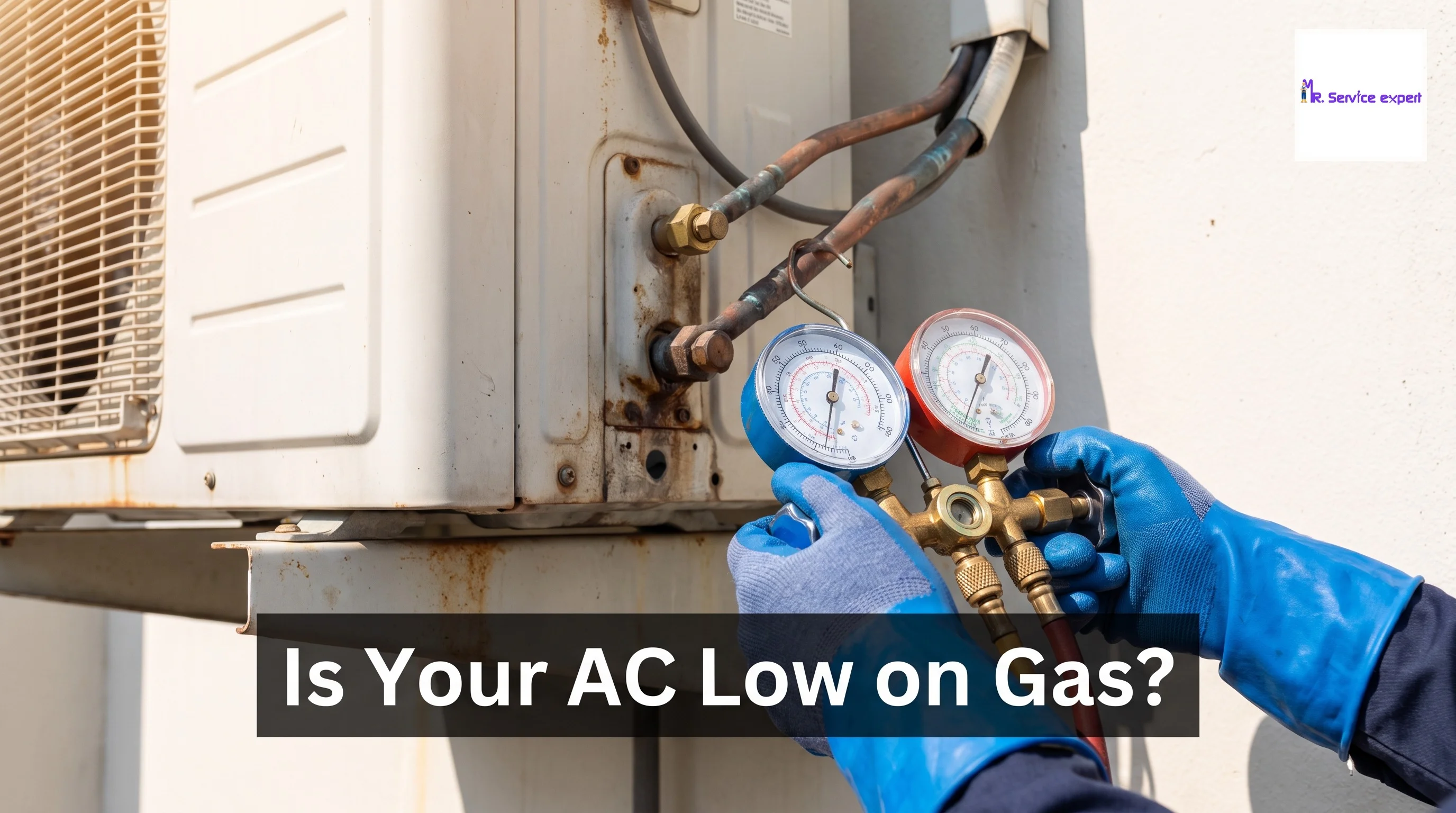
The actual gas filling comes next. The technician connects a refrigerant cylinder to the service port on your AC's outdoor unit. Using manifold gauges, they carefully add refrigerant while monitoring the system pressure. The amount of gas is determined by your AC's specifications, not by guesswork. Overfilling is just as problematic as underfilling, potentially damaging the compressor. The technician adds gas gradually, checking pressure readings on both the high and low-pressure sides to ensure proper charging. Some modern ACs have specific charging procedures mentioned in their service manuals that must be followed.
Finally, the system is tested for proper operation. The technician checks that the AC reaches the desired temperature within a reasonable time, verifies that both the indoor and outdoor units are functioning correctly, measures the temperature difference between the air entering and leaving the indoor unit, and confirms that pressure readings are within normal ranges. They should also check for any new leaks around the areas where they worked. A professional will provide you with documentation of the work done, including the type and amount of refrigerant added, any repairs performed, and pressure readings before and after the service.
AC Gas Refill Cost and Pricing Factors
Understanding the cost structure for AC gas refill helps you budget appropriately and avoid being overcharged. In 2026, the typical cost for AC gas refill in India ranges from Rs. 2000 to Rs. 5000 for a standard split AC, depending on various factors. This price usually includes the labor cost and the refrigerant itself. However, if significant AC gas leakage repair is needed, the cost can increase substantially. Window ACs typically cost slightly less, ranging from Rs. 1500 to Rs. 3500, due to their simpler design and easier access.
The type of refrigerant significantly affects the price. R-22 gas, though being phased out, is still used in older ACs and costs around Rs. 50-80 per gram. R-32 refrigerant, becoming the new standard, costs approximately Rs. 60-100 per gram. R-410A is priced similarly to R-32. Since a typical 1.5-ton AC requires 600-900 grams of gas for a complete refill, the refrigerant alone can cost between Rs. 300 to Rs. 900. The remainder of the service fee covers labor, equipment usage, and the technician's expertise. Prices vary across cities, with metro areas generally charging more than smaller towns.
| Service Component | Price Range (INR) | Factors Affecting Cost |
|---|---|---|
| Basic Gas Refill (Labor) | 1000-2000 | Technician experience, city location |
| R-22 Refrigerant (per 100g) | 50-80 | Availability, import costs |
| R-32 Refrigerant (per 100g) | 60-100 | Market demand, purity |
| Leak Detection | 500-1500 | Equipment used, complexity |
| Minor Leak Repair | 800-2500 | Leak location, accessibility |
| Pipe Replacement | 1500-5000 | Length needed, material cost |
| Coil Replacement | 5000-15000 | AC capacity, coil type |
Additional costs arise when repairs are needed. Minor leak repairs like tightening connections or replacing valve cores might add Rs. 500-1000 to your bill. However, if copper pipes need replacement, expect to pay Rs. 150 per foot of pipe, plus labor costs. Major repairs involving coil replacement can significantly increase your expenses, sometimes making it more economical to consider replacing an older AC unit entirely.
Learn more about the telltale signs your AC needs refrigerant replenishment—from weak airflow and longer cooling cycles to ice formation on copper pipes. Discover how regular pressure checks and professional assessments can help you stay informed about your system's health before minor issues escalate into costly repairs during peak summer months. For comprehensive diagnostics and professional solutions, consider scheduling an Ac Repair service to ensure your cooling system operates at peak efficiency throughout the year.
Related Blogs
- Microwave Oven Safety Tips: Avoiding Common Hazards at Home
- RO Membrane Replacement: Signs You Need a New One
- How to Maintain Your Vacuum Cleaner for Long-Lasting Performance
- Front Load vs Top Load Washing Machine: Repair & Maintenance Differences
- Refrigerator Maintenance Checklist: Extend Your Fridge's Lifespan