
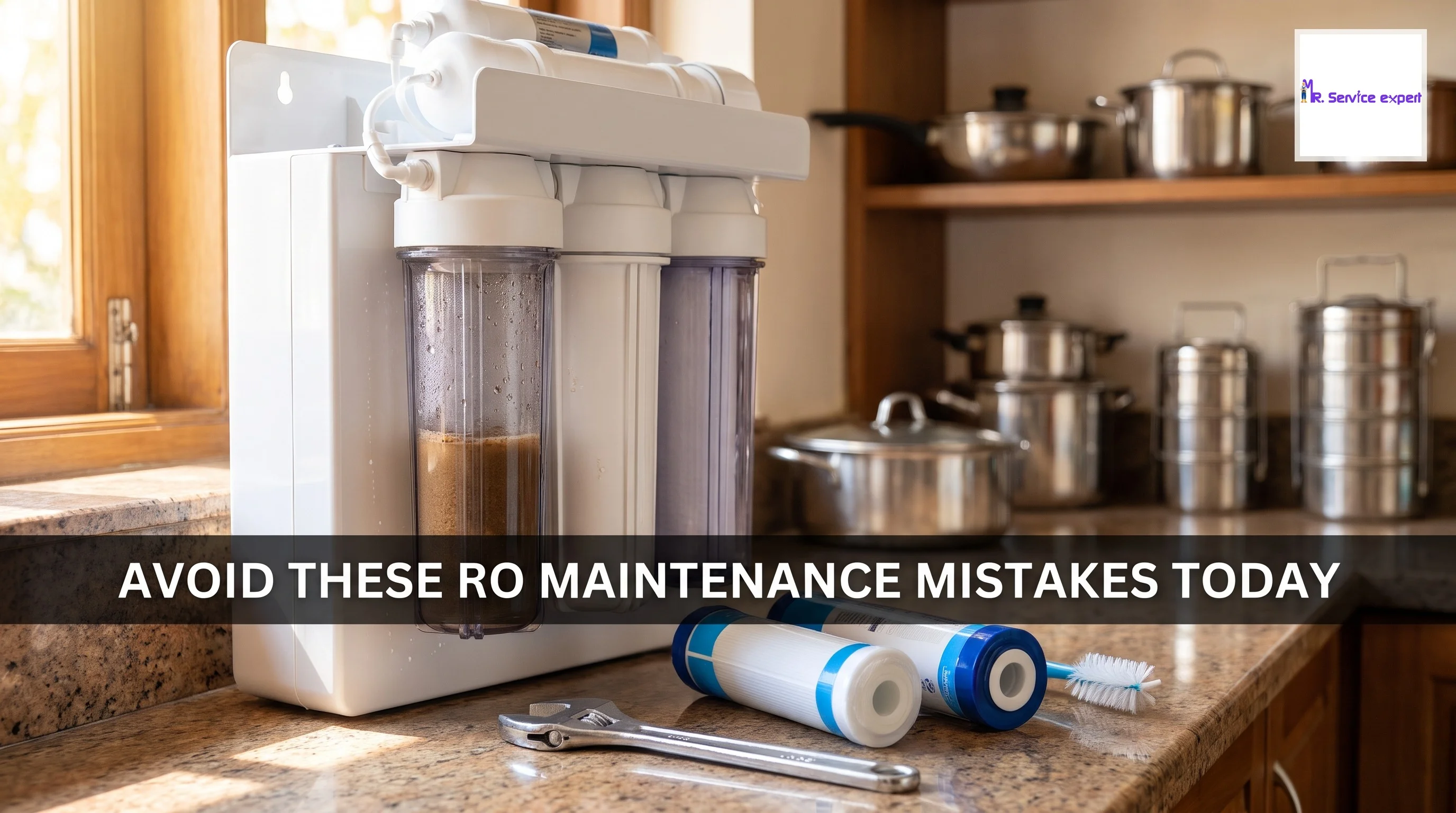
Common RO Water Purifier Maintenance Mistakes
Clean drinking water is not just a necessity but a fundamental right for every household. With increasing water contamination levels across India, RO water purifiers have become an essential appliance in most homes. However, owning an RO purifier is just the first step—maintaining it properly is what truly matters. Many homeowners unknowingly make critical RO purifier maintenance mistakes that not only compromise water quality but also significantly reduce the lifespan of their purification system. Understanding these common errors and implementing proper RO purifier care tips can save you thousands of rupees in repairs and replacements while ensuring your family continues to drink safe, healthy water.
Whether you live in a metro city or a smaller town, the quality of tap water varies dramatically across different regions. From high TDS levels in northern states to heavy metal contamination in industrial areas, your RO system works tirelessly to protect your health. Yet, despite spending anywhere between 8000 to 25000 rupees on a quality water purifier, most people neglect basic maintenance routines. This negligence leads to frequent breakdowns, poor water taste, and potentially harmful contaminants slipping through the filtration system. The good news is that avoiding these mistakes is simpler than you think.
Regular maintenance is not just about replacing filters on time—it involves understanding how your RO system works, recognizing warning signs of problems, and taking preventive measures before small issues become expensive repairs. Many households delay calling for professional RO water purifier maintenance service until the system completely stops working, which often results in damage that could have been easily prevented. From ignoring strange noises to skipping sanitization routines, these oversights accumulate over time and compromise both system performance and water safety.
The Indian market is flooded with various RO purifier models, each with unique maintenance requirements. However, certain fundamental RO purifier maintenance mistakes remain common across all brands and types. Whether you rely on self-maintenance or professional ro service, being aware of these errors empowers you to make informed decisions about your water purifier care. This comprehensive guide will walk you through the most frequent mistakes homeowners make and provide practical, actionable RO purifier care tips that anyone can implement.
By the end of this article, you will have a clear understanding of what not to do with your RO system and how to establish a proper maintenance routine that ensures optimal performance year after year. Let's dive into the critical errors that could be silently damaging your water purifier right now.
Neglecting Regular Filter Replacement Schedule
One of the most damaging RO purifier maintenance mistakes is ignoring the recommended filter replacement timeline. Each filtration stage in your RO system has a specific lifespan measured either in months or liters of water processed. The sediment pre-filter typically needs replacement every six to twelve months, the activated carbon filter every twelve months, and the RO membrane every two to three years. However, many homeowners operate their purifiers well beyond these timelines, believing that if water is still flowing, everything must be fine.
This assumption is dangerously incorrect. As filters become saturated with contaminants, they lose their effectiveness and can even become breeding grounds for bacteria. A clogged sediment filter forces your RO membrane to work harder, processing particles it was never designed to handle, which accelerates wear and tear. Similarly, an exhausted carbon filter fails to remove chlorine effectively, allowing this chemical to damage the delicate RO membrane and reducing its lifespan by up to fifty percent.
The consequences extend beyond just equipment damage. When filters are not replaced on time, the quality of purified water deteriorates gradually. You might not notice the change immediately because it happens slowly over weeks and months. The water might develop a slight taste or odor, or the TDS levels might creep up without your knowledge. By the time you realize something is wrong, you may have been consuming inadequately filtered water for an extended period.
Smart RO purifier care tips include maintaining a replacement calendar or setting phone reminders for filter changes. Many modern purifiers come with indicator lights that alert you when filters need changing, but relying solely on these indicators is not enough. Keep a maintenance log noting the date of each filter replacement and the approximate water consumption. If you are unsure about your filter status, scheduling regular visits ensures a trained ro technician can assess and replace filters as needed.
Price should never be a reason to delay filter replacements. While a complete set of filters might cost between 1500 to 4000 rupees depending on your model, this investment is minimal compared to the cost of replacing an entire RO membrane prematurely or dealing with health issues from contaminated water. Consider filter replacement as an essential recurring expense, similar to paying electricity bills, rather than an optional maintenance activity.
Skipping Professional Servicing and Sanitization
Many households attempt to manage all RO maintenance independently to save money, but this is among the critical RO purifier maintenance mistakes that compromise system health. While changing pre-filters can be done at home with proper guidance, comprehensive servicing requires professional expertise. The RO membrane, storage tank, and internal components need periodic sanitization that goes beyond simple filter replacement. Without professional intervention, biofilm can accumulate inside the tank and pipelines, creating a breeding ground for bacteria and algae.
The recommended frequency for professional maintenance is every six to twelve months, depending on your water quality and usage. During these service visits, a qualified technician thoroughly cleans the storage tank, sanitizes all internal components, checks for leaks, tests water quality, and ensures all parts function optimally. They also inspect seals, O-rings, and connections that homeowners typically overlook but which are crucial for preventing contamination and water wastage.
Sanitization is particularly important because even with regular filter changes, the storage tank can harbor microorganisms over time. The moist, dark environment inside the tank is ideal for bacterial growth. Professional sanitization involves using food-grade disinfectants and following a specific cleaning protocol that ensures complete elimination of contaminants without leaving harmful residues. This process cannot be replicated with home cleaning methods.
Another aspect of professional servicing is performance optimization. Over time, minor adjustments in water pressure, flow rate, and component alignment are necessary to maintain peak efficiency. A trained technician can calibrate these parameters and identify potential issues before they escalate into major problems. They can also provide valuable RO purifier care tips specific to your water quality and usage patterns.
The cost of professional servicing typically ranges from 300 to 800 rupees for a basic service visit, which is a small price to pay for ensuring your family's health and extending your purifier's lifespan. Some service providers offer annual maintenance contracts that include multiple visits, filter replacements, and priority support. If you search for ro service near me or specifically Ro Service gorakhpur for residents in that area, you'll find multiple authorized service centers offering comprehensive maintenance packages. Establishing a relationship with a reliable service provider ensures consistent, quality maintenance year after year.
Ignoring Water Quality Testing and TDS Monitoring
A surprisingly common mistake among RO purifier owners is never testing their output water quality after installation. Many assume that once an RO system is installed, it will continue delivering pure water indefinitely without monitoring. This assumption represents one of the most dangerous RO purifier maintenance mistakes because it leaves you unaware of gradual system degradation or membrane failure until the problem becomes severe.
Total Dissolved Solids or TDS measurement is the primary indicator of RO performance. Input water TDS levels vary widely across India, from as low as 200 ppm in some areas to over 2000 ppm in regions with hard water. A functioning RO membrane should reduce TDS by approximately eighty to ninety percent. However, as the membrane ages or gets damaged, its rejection rate decreases, allowing more dissolved solids to pass through. Regular TDS testing helps you track this decline and take corrective action before water quality becomes compromised.
Investing in a simple TDS meter, which costs between 200 to 500 rupees, is one of the smartest RO purifier care tips you can follow. Test your water monthly by measuring both input and output TDS levels. Keep a record of these readings to identify trends over time. A sudden increase in output TDS or a gradual upward trend over several months indicates that your RO membrane is losing efficiency and may need replacement soon.
Beyond TDS, other water quality parameters deserve attention. If your water develops an unusual taste, odor, or appearance, these are warning signs that should never be ignored. Chlorine taste indicates carbon filter exhaustion, cloudy water suggests sediment filter issues, and any unusual smell could signal bacterial contamination in the storage tank. Taking water samples for laboratory testing once or twice a year provides comprehensive insights into parameters like bacterial count, heavy metals, and chemical contaminants that TDS meters cannot measure.
Municipal water quality also fluctuates seasonally and after infrastructure changes. Monsoon seasons often bring increased turbidity and contamination, while summer months might see higher chemical treatment levels. Being aware of these variations and adjusting your maintenance schedule accordingly demonstrates proactive system care. If you notice significant changes in input water quality, schedule an immediate inspection rather than waiting for your regular service date. This vigilance prevents your RO system from being overwhelmed by sudden changes in contamination levels.
Improper Storage Tank Maintenance and Cleaning
The storage tank is an often-overlooked component that plays a crucial role in maintaining water purity, yet improper tank maintenance ranks among the most prevalent RO purifier maintenance mistakes. After water passes through the RO membrane and gets purified, it is stored in this tank until you need it. While the purification process removes contaminants, the storage environment can reintroduce them if not maintained properly. Many users never open or clean their storage tanks for years, allowing sediment accumulation, biofilm formation, and bacterial growth.
RO storage tanks should be thoroughly cleaned and sanitized every six months as part of comprehensive maintenance. During this cleaning, the tank must be completely drained, the interior surfaces scrubbed with appropriate cleaning solutions, and then sanitized with food-grade disinfectants before refilling. This process removes any accumulated deposits, prevents biofilm buildup, and ensures the stored water remains as pure as when it left the RO membrane. Neglecting this maintenance compromises the entire purification effort, as even perfectly filtered water can become contaminated in a dirty storage tank.
Another critical aspect is maintaining proper tank pressure. Most RO systems use pressurized storage tanks that require specific air pressure in the bladder to function correctly. Over time, this pressure can drop, leading to reduced water flow and incomplete tank drainage. Checking and adjusting tank pressure annually ensures optimal performance. This adjustment requires specific knowledge and tools, making it another reason to schedule regular professional maintenance rather than attempting all work independently.
Tank placement and environmental conditions also matter significantly. Storage tanks should be installed in cool, shaded areas away from direct sunlight and heat sources. Exposure to heat accelerates bacterial growth and can degrade plastic components over time. Similarly, the tank should be positioned to prevent any external contamination from entering through vents or connections. Ensuring proper ventilation while maintaining sealed integrity is a delicate balance that proper installation and maintenance achieve.
Warning signs of tank-related issues include reduced water flow despite adequate input pressure, water with a stale taste even after filter replacement, or visible sediment when the tank is drained. If you notice any of these symptoms, immediate tank cleaning and inspection are necessary. Some advanced RO purifier care tips include installing UV sterilization in the storage tank outlet, which provides an additional layer of protection against any bacterial contamination that might develop during storage. This upgrade is particularly valuable in areas with high ambient temperatures where bacterial growth occurs more rapidly.
Overlooking Pre-Filter and Post-Filter Functions
Understanding the complete filtration sequence is essential for proper maintenance, yet many users focus exclusively on the RO membrane while committing RO purifier maintenance mistakes related to pre-filters and post-filters. The multi-stage filtration process in RO systems is designed with each component serving a specific purpose. Pre-filters protect the expensive RO membrane by removing larger particles and chemicals, while post-filters ensure final polishing and taste enhancement. Neglecting any stage compromises the entire system's effectiveness.
The sediment pre-filter is your RO system's first line of defense, capturing sand, silt, rust, and other particulate matter before they reach subsequent stages. In areas with poor municipal supply or borewell water with high sediment content, this filter can clog much faster than the standard replacement schedule suggests. Visual inspection of this filter every two to three months helps identify premature clogging. A heavily soiled sediment filter restricts water flow, reduces system efficiency, and forces the pump to work harder, increasing electricity consumption and wear.
Activated carbon pre-filters remove chlorine, organic compounds, and chemicals that affect taste and odor. These filters also protect the RO membrane from chlorine damage, which is particularly important because municipal water treatment plants use chlorine for disinfection. Even low levels of chlorine exposure over time can degrade the membrane's thin film composite layer, reducing its life expectancy significantly. Ensuring carbon filter replacement according to schedule or even earlier in areas with high chlorine levels is a critical RO purifier care tip that prevents expensive membrane damage.
Post-filters, often carbon-based or mineral cartridges, provide final taste enhancement and sometimes remineralization. While these filters don't directly affect water safety in most cases, they significantly impact drinking experience. A saturated post-filter can release accumulated contaminants back into purified water or develop bacterial growth, defeating the purpose of thorough purification in earlier stages. Regular replacement ensures that water not only meets safety standards but also tastes fresh and appealing.
The interconnected nature of these filtration stages means that neglecting one affects all others. When pre-filters are exhausted, the RO membrane receives poorly pre-treated water, accelerating its degradation. When post-filters are neglected, the final water quality suffers despite adequate pre-treatment and RO processing. Comprehensive maintenance means treating each stage with equal importance and following manufacturer recommendations for replacement intervals. Keeping spare filters at home ensures you can replace them promptly when needed without delays that compromise water quality.
Incorrect Installation Location and Environmental Factors
The physical environment where your RO purifier operates significantly impacts its performance and longevity, yet location-related RO purifier maintenance mistakes are surprisingly common. Many installations place purifiers in areas exposed to direct sunlight, excessive heat, humidity, or freezing temperatures, all of which accelerate component degradation and reduce system efficiency. The ideal location is cool, dry, shaded, and easily accessible for maintenance activities.
Direct sunlight exposure damages plastic components, promotes algae growth in transparent tubes and filters, and increases water temperature in storage tanks. Algae growth not only affects water appearance and taste but also clogs filters and provides a breeding ground for bacteria. If your current installation exposes any part of the system to sunlight, relocating it or providing adequate shading is essential. This simple change can extend component life by several months and prevent recurring contamination issues.
Temperature extremes also impact RO performance. High ambient temperatures reduce membrane efficiency and accelerate bacterial growth, while freezing conditions can damage membranes and crack plastic components. In regions experiencing extreme temperatures, insulating pipes and choosing temperature-controlled installation locations becomes necessary. For areas like basements prone to dampness or kitchens with high heat from cooking, special considerations in installation planning prevent premature system failure.
Accessibility for maintenance is another crucial but often ignored factor. Installing RO purifiers in cramped spaces under sinks or in difficult-to-reach corners makes routine maintenance cumbersome, leading to neglect. When a technician struggles to access components during service visits, they might skip thorough inspections or cleanings, compromising maintenance quality. Ensuring adequate space around the purifier for filter changes, tank cleaning, and component inspection encourages consistent, comprehensive maintenance.
Water supply pressure and electrical connections also deserve consideration during installation. Inadequate water pressure requires booster pumps, while unstable electrical supply needs voltage stabilizers to protect sensitive components. Proper installation addressing these environmental factors from the beginning prevents many maintenance headaches later. If your current setup suffers from location-related issues, consulting with professionals about relocation or environmental modifications can significantly improve system performance and longevity.
Regular maintenance keeps your RO purifier functioning optimally, yet many homeowners overlook crucial upkeep steps. From ignoring filter replacement schedules to neglecting sanitization, these common mistakes can compromise water quality and shorten your system's lifespan. Learn more about proper RO maintenance practices to ensure your family continues enjoying safe, pure drinking water every day.