

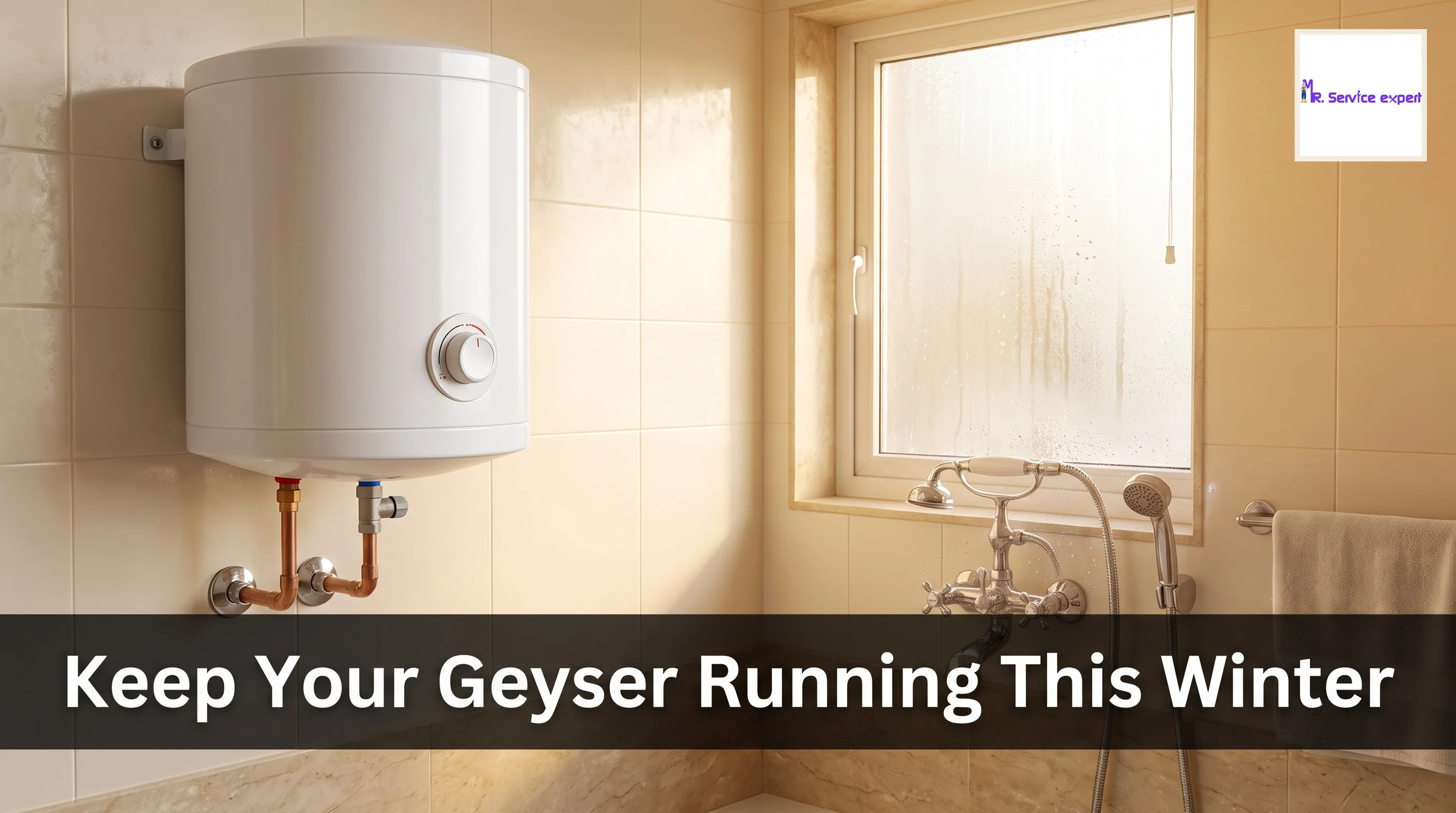
Geyser Maintenance Tips for Winter: Avoid Breakdowns
Winter mornings in India can be absolutely brutal without hot water. Picture this: you wake up at 6 AM, it's freezing outside, and you're looking forward to that warm shower before heading to work. You turn on the geyser, wait for 15 minutes, and nothing happens. The water is still ice cold. Your geyser has broken down right when you need it most. This scenario is more common than you think, especially during peak winter months when geysers work overtime. The good news? Most winter geyser breakdowns are completely preventable with proper geyser maintenance.
Many Indian households treat their geysers as "set it and forget it" appliances. We install them once and expect them to work flawlessly for years without any attention. However, geysers are complex electrical appliances that require regular care, particularly before and during winter when they experience maximum usage. Without proper geyser winter care, you risk not just inconvenient breakdowns but also higher electricity bills, reduced appliance lifespan, and even safety hazards.
Understanding geyser maintenance isn't rocket science, but it does require some awareness and timely action. Whether you have a storage water heater or an instant geyser, the fundamental principles of care remain similar. Regular maintenance can extend your geyser's life from the typical 8-10 years to 12-15 years or more. That's significant savings considering replacement costs range from Rs 6,000 to Rs 25,000 depending on capacity and brand.
The winter season puts exceptional stress on your water heating system. Cold inlet water temperatures mean your geyser works harder and longer to reach the desired temperature. Heating elements face increased workload, thermostats cycle more frequently, and sediment buildup accelerates. All these factors contribute to winter being the peak season for geyser failures. Statistics from service centers across Delhi, Mumbai, Bangalore, and other metros show that geyser repair calls increase by nearly 60-70% during November to February.
This comprehensive guide will walk you through essential geyser maintenance practices that every homeowner should know. From pre-winter inspections to daily usage tips, we'll cover everything you need to keep your geyser running efficiently throughout the cold months. Let's dive into the practical steps that will save you from cold showers and expensive emergency repairs this winter.
Understanding Why Geysers Break Down in Winter
Before we jump into maintenance tips, it's important to understand what actually goes wrong with geysers during winter months. The most common culprit is sediment accumulation inside the tank. Indian water, especially in cities like Delhi, Pune, and Jaipur, contains high levels of minerals like calcium and magnesium. When water is heated repeatedly, these minerals separate and settle at the bottom of the tank as sediment or scale.
During winter, your geyser heats water more frequently and for longer durations. This accelerated heating cycle causes faster sediment buildup. The sediment layer acts as an insulator between the heating element and water, forcing the element to work harder and longer to heat the same amount of water. This not only increases your electricity consumption by 15-20% but also significantly shortens the heating element's lifespan.
Another major winter issue is thermostat malfunction. The thermostat is the component that senses water temperature and controls the heating element. Constant cycling between on and off states during heavy winter usage can wear out thermostats faster. When a thermostat fails, your geyser either won't heat water at all or will overheat it, potentially creating safety risks.
Pressure-related problems also peak during winter. Cold water is denser than hot water, creating pressure differentials inside the tank. If the pressure relief valve isn't functioning properly, this can lead to tank deformation or even bursting in extreme cases. Many users also make the mistake of keeping geysers on maximum temperature settings throughout winter, which puts unnecessary stress on all internal components.
Electrical connection issues multiply in winter due to moisture and condensation. Water and electricity are a dangerous combination. Loose connections, corroded terminals, or damaged cables can cause short circuits, element failure, or even electrical shocks. Regular geyser service can identify and fix these issues before they become serious problems.
Pre-Winter Geyser Inspection Checklist
Smart homeowners schedule a thorough geyser inspection in October or early November, before winter demand peaks. This proactive approach helps you identify and fix potential issues when geyser technicians are less busy and more available. Here's your comprehensive pre-winter inspection checklist that you should either perform yourself or have a professional handle.
Start with a visual external inspection. Check the geyser body for any signs of rust, corrosion, or water leakage. Look at the pipes connecting to the geyser for any moisture, corrosion, or loose fittings. Inspect the electrical cable and plug for any damage, fraying, or discoloration. These visual cues often indicate problems brewing inside the unit.
Test the pressure relief valve, which is that small lever on the side of most storage geysers. This safety device releases excess pressure to prevent tank explosions. Turn off the power supply, then lift the valve lever. You should hear a rush of air followed by some water flow. If nothing happens, the valve may be blocked with sediment and needs replacement. This simple Rs 200-300 component can prevent disasters.
Check the thermostat settings and responsiveness. Set your geyser to a moderate temperature (around 50-55 degrees Celsius) and time how long it takes to heat water. If it takes significantly longer than usual or the water never gets properly hot, your thermostat or heating element might need attention. Also verify that the indicator light functions correctly, as this helps you monitor geyser operation.
Drain a bucket of water from the geyser's drain valve to check for sediment. If the water comes out rusty, cloudy, or has visible particles, your tank needs thorough cleaning. Heavy sediment buildup is the number one reason for reduced geyser efficiency and premature failure. Professional geyser maintenance includes complete tank flushing, which we'll discuss in detail later.
Examine all pipe connections and valves for proper operation. Turn the inlet valve on and off several times to ensure smooth operation. Check if the outlet hot water flow is consistent and strong. Weak flow might indicate internal pipe scaling or valve problems. These issues are easier and cheaper to fix before winter arrives rather than during an emergency breakdown situation.
Essential Geyser Maintenance Tasks for Winter
Regular geyser maintenance involves several tasks that you should perform at specific intervals. Some tasks are simple enough for DIY approach, while others require professional geyser service. Understanding which is which helps you maintain your geyser effectively while ensuring safety.
Tank flushing and sediment removal is the single most important maintenance task. For areas with hard water, this should be done twice yearly, including definitely once before winter. To flush your geyser, first turn off the power supply and close the water inlet valve. Attach a hosepipe to the drain valve and open it, allowing water to flow out until it runs clear. This process removes accumulated sediment and restores efficiency. Many households skip this step for years, then wonder why their geyser suddenly stops working or their electricity bills skyrocket.
Heating element inspection and replacement is typically needed every 3-4 years, but winter usage can accelerate wear. A failing element shows signs like slow heating, strange noises, or tripping circuit breakers. Replacing an element costs between Rs 800-1,500 depending on geyser capacity, but prevents complete geyser failure. Only qualified technicians should handle element replacement as it involves dealing with both water and electricity.
Anode rod replacement is often overlooked but crucial for extending geyser life. The anode rod is a sacrificial metal rod that attracts corrosive elements, protecting the tank from rusting. In Indian water conditions, anode rods typically last 3-5 years. Checking and replacing worn anode rods during your pre-winter geyser service can add years to your geyser's lifespan.
Thermostat calibration ensures your geyser heats water to the right temperature without wasting energy. Over time, thermostats can drift from their calibration, causing your geyser to heat water more or less than the setting indicates. Professional calibration during annual geyser maintenance keeps your system efficient and safe.
Insulation check and improvement helps retain heat and reduce energy consumption. Inspect the insulation around your geyser tank and pipes. If you notice any damaged or missing insulation, replace it immediately. Adding pipe insulation on hot water lines saves up to 10% on water heating costs during winter. This simple upgrade costs just Rs 200-500 but pays for itself within a few months.
Daily and Weekly Geyser Winter Care Practices
Beyond periodic maintenance, your daily habits significantly impact geyser health and efficiency during winter. Adopting healthy appliance usage practices prevents unnecessary wear and tear while reducing your electricity bills. These simple habits require no technical knowledge but deliver substantial benefits.
Don't keep your geyser running 24/7 throughout winter. This is the most common mistake Indian households make. Keeping the geyser on continuously wastes enormous amounts of electricity and keeps components under constant stress. Modern insulated geysers retain heat well enough that you only need to switch them on 10-15 minutes before you need hot water. For storage geysers, this timing gives you adequately hot water while saving hundreds of rupees monthly on electricity.
Set the thermostat to optimal temperatures based on your actual needs. During winter, many people crank their geysers to maximum 75-80 degrees Celsius thinking it's necessary. However, 55-60 degrees is perfectly adequate for comfortable bathing and significantly reduces element wear and scaling. Every 10-degree reduction in thermostat setting saves approximately 5-7% on heating costs. Mix in some cold water at the tap instead of heating water excessively.
Use the right capacity geyser for your household size. A 3-litre instant geyser works fine for one person but will struggle for a family of four, running constantly and wearing out quickly. Similarly, a 25-litre storage geyser for just one person is inefficient. Right-sizing is a key aspect of geyser winter care that many overlook when installing units.
Weekly drain valve operation prevents valve seizing and removes small amounts of sediment before they accumulate. Once a week during winter, open the drain valve for 30 seconds to let some water flow out. This simple practice keeps the valve functional for emergencies and gradually clears minor sediment buildup. It's the easiest preventive geyser maintenance task you can perform yourself.
Monitor your electricity consumption patterns. A sudden spike in your electricity bill often indicates your geyser is working inefficiently due to sediment buildup or failing components. Early detection through bill monitoring helps you schedule geyser repair before complete breakdown occurs.
When to Call a Professional Geyser Technician
While some maintenance tasks are DIY-friendly, knowing when to call a professional geyser technician is crucial for safety and proper repairs. Attempting complex repairs yourself can void warranties, create safety hazards, or cause more damage. Here are clear situations demanding professional intervention.
Strange noises from your geyser signal serious issues. Popping, rumbling, or hissing sounds indicate heavy sediment buildup, scaling on the element, or pressure problems. While some minor sounds are normal, loud or new noises require immediate professional assessment. A geyser technician can diagnose whether you need cleaning, element replacement, or more extensive repairs.
Water leakage from any part of your geyser demands urgent professional attention. Leaks might seem minor initially but indicate failed gaskets, corroded tanks, or loose connections that can worsen rapidly. Never ignore even small drips, especially during winter when usage is high. Professional geyser repair can often fix leaks if caught early, but delayed attention might necessitate complete replacement.
Electrical issues like tripping circuit breakers, burning smells, or non-functioning indicators require immediate professional service. These problems pose serious safety risks including electrical shocks and fire hazards. Never attempt DIY electrical repairs on geysers. Always call a qualified geyser service provider who understands electrical systems and water heater safety protocols.
Inconsistent water temperature despite correct thermostat settings indicates thermostat failure or element issues. If your geyser produces lukewarm water, extremely hot water, or alternates between the two, professional diagnosis is necessary. These symptoms often appear during winter when the system works harder, and timely professional geyser maintenance prevents complete failure.
Age-related concerns also warrant professional evaluation. If your geyser is 8-10 years old and showing any performance issues, schedule a comprehensive professional inspection. A geyser technician can assess whether repairs make economic sense or if replacement would be more cost-effective. This is particularly important before winter when you rely heavily on your water heater.
Comparing Geyser Maintenance Costs and Service Options
Understanding the financial aspects of geyser maintenance helps you budget appropriately and choose the right service approach. Here's a realistic breakdown of costs you can expect across different maintenance activities in Indian metros during 2026:
| Maintenance Task | DIY Cost | Professional Service Cost | Frequency |
|---|---|---|---|
| Tank Flushing | Rs 0 (DIY) | Rs 500-800 | Every 6 months |
| Element Replacement | Rs 600-1,000 | Rs 1,200-2,000 | Every 3-4 years |
| Thermostat Replacement | Rs 400-800 | Rs 1,000-1,500 | Every 4-5 years |
| Anode Rod Replacement | Not recommended | Rs 800-1,200 | Every 3-5 years |
| Pressure Relief Valve | Rs 200-300 | Rs 600-900 | Every 2-3 years |
| Complete Service Package | Not recommended | Rs 1,500-2,500 | Annually |
| Emergency Breakdown Repair | Not recommended | Rs 2,000-5,000 | As needed |
Annual maintenance contracts (AMCs) offered by service providers typically cost Rs 1,800-3,500 depending on geyser type and capacity. AMCs usually include two scheduled visits per year, emergency repairs, and discounts on parts. For households with multiple geysers or expensive models, AMCs provide peace of mind and often prove more economical than paying for individual service calls.
The cost of neglecting geyser maintenance far exceeds regular service expenses. A prematurely failed geyser due to poor maintenance requires replacement costing Rs 6,000-25,000. Emergency breakdown repairs during winter peak season can cost 50-100% more than regular service rates. Additionally, an inefficient sediment-clogged geyser can increase your monthly electricity bill by Rs 300-600, adding up to Rs 1,800-3,600 annually.
When selecting between DIY and professional geyser service, consider your technical comfort level and time availability. Simple tasks like drain valve flushing and visual inspections are safely DIY-able. However, anything involving electrical components, internal parts, or complex diagnostics requires professional expertise. The Rs 500-800 you spend on professional geyser maintenance is a wise investment that ensures safety and proper functioning.
Regional cost variations exist across India. Geyser service costs tend to be 15-20% higher in metro cities like Mumbai, Delhi, and Bangalore compared to tier-2 cities.
Winter puts extra strain on your geyser as it works harder to heat colder incoming water. Learn more about essential maintenance steps like flushing sediment buildup, checking the thermostat settings, and inspecting the pressure relief valve before temperatures drop. Discover how simple preventive measures can help you avoid expensive emergency repairs and ensure reliable hot water throughout the cold season.
Related Blogs
- Microwave Oven Safety Tips: Avoiding Common Hazards at Home
- RO Membrane Replacement: Signs You Need a New One
- How to Maintain Your Vacuum Cleaner for Long-Lasting Performance
- Front Load vs Top Load Washing Machine: Repair & Maintenance Differences
- Refrigerator Maintenance Checklist: Extend Your Fridge's Lifespan