
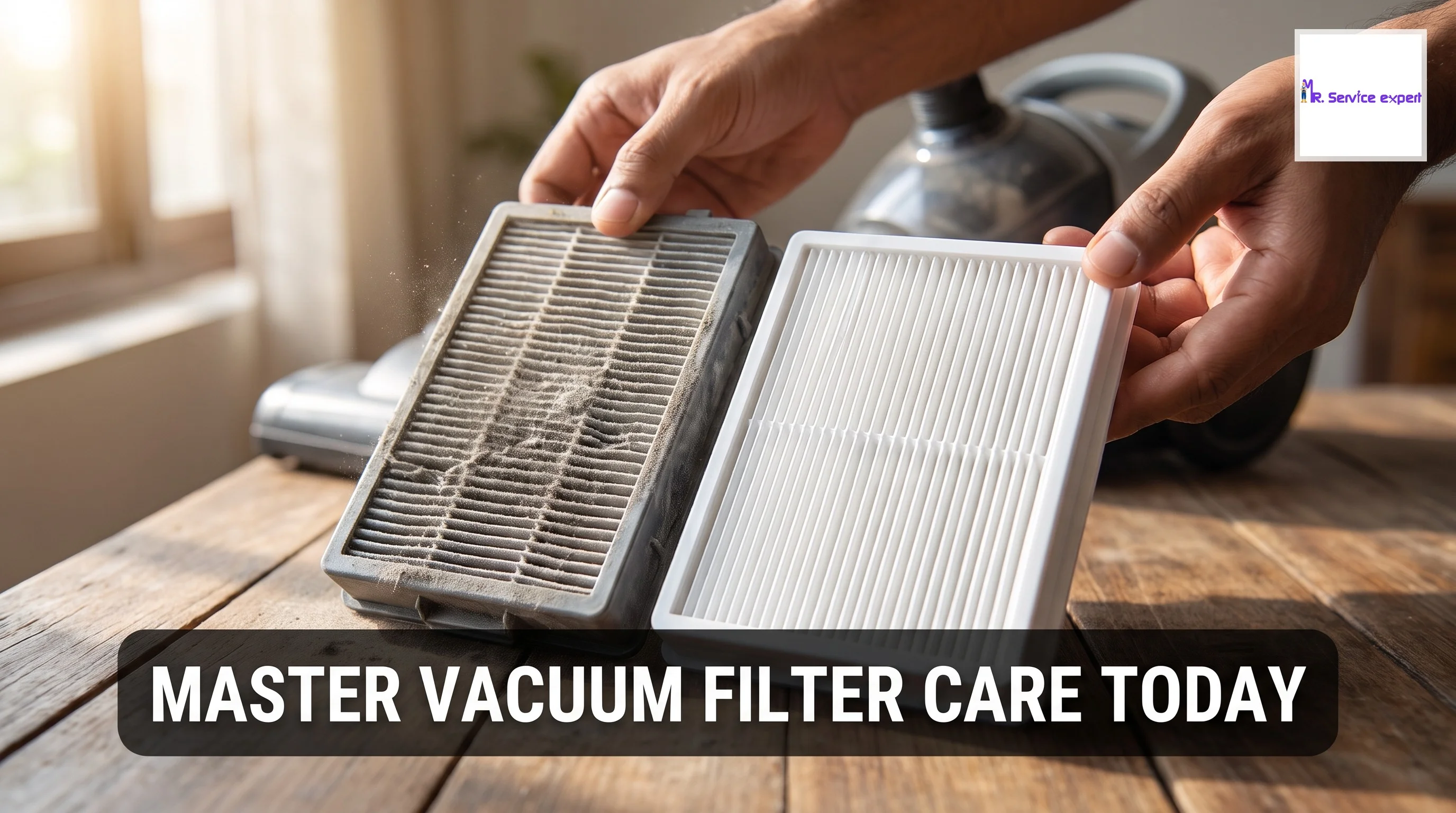
How to Clean and Replace Vacuum Cleaner Filters
Every household in India relies on vacuum cleaners to maintain cleanliness, but many overlook a critical component that determines performance—the filter. A clogged or worn-out filter dramatically reduces suction power, releases dust back into the air, and forces the motor to work harder, shortening its lifespan. Understanding vacuum cleaner filter cleaning and vacuum cleaner filter replacement is essential for anyone who wants their appliance to perform optimally year after year.
Most Indian homes deal with unique challenges like construction dust, pet hair from beloved dogs and cats, seasonal pollen, and fine particles that settle on every surface. These contaminants quickly accumulate in vacuum filters, creating a breeding ground for allergens and bacteria. Regular filter maintenance not only preserves your vacuum's cleaning efficiency but also protects your family's respiratory health. A well-maintained filter can trap 99.97% of microscopic particles, making it especially crucial for households with children, elderly members, or individuals with asthma and allergies.
The process of vacuum cleaner filter cleaning might seem straightforward, but different filter types require specific approaches. HEPA filters, foam filters, cartridge filters, and cloth filters each have unique maintenance requirements. Using the wrong cleaning method can permanently damage these components, forcing you to spend thousands of rupees on replacements. Knowing when to clean versus when to replace saves both money and frustration, particularly when dealing with premium vacuum models that cost upwards of Rs 15,000 to Rs 40,000.
This comprehensive guide walks you through every aspect of filter maintenance. Whether you own a budget-friendly upright vacuum, a high-end canister model, or a robotic vacuum cleaner, the principles remain consistent. You will discover how to identify filter types, determine optimal cleaning frequencies, execute proper washing techniques, recognize replacement indicators, and establish maintenance routines that extend filter life. Professional vacuum cleaner repair technicians follow these exact protocols when servicing appliances.
By investing just 15 to 20 minutes every month in proper filter care, you can avoid expensive vacuum cleaner service calls, maintain peak suction performance, and ensure your home environment remains genuinely clean. The following sections provide detailed instructions, expert tips from experienced vacuum cleaner technician near me, and practical solutions tailored specifically for Indian households. Let us begin with understanding the different filter types that power your cleaning equipment.
Understanding Vacuum Cleaner Filter Types
Modern vacuum cleaners utilize multiple filter systems working together to capture particles of varying sizes. The primary filter captures large debris like hair, food crumbs, and visible dust particles before they reach the motor. This first line of defense prevents immediate clogging and protects internal components. Indian households generating substantial amounts of dust benefit significantly from regularly maintaining these primary filters, which are typically washable and reusable.
HEPA filters represent the gold standard in air filtration technology. These accordion-style filters trap microscopic allergens, bacteria, dust mites, and particles as small as 0.3 microns. Genuine HEPA filters must meet strict international standards, removing 99.97% of airborne contaminants. Many premium vacuum brands in India now include HEPA filtration as standard equipment, making them ideal for allergy sufferers. However, HEPA filters require gentle handling during vacuum cleaner filter cleaning because aggressive washing can damage the delicate pleated structure.
Foam filters provide another layer of protection, typically positioned before or after the primary filter. These sponge-like components capture medium-sized particles and protect the motor from dust infiltration. Foam filters excel at handling the fine construction dust common in Indian homes, especially in rapidly developing urban areas. They require regular washing with mild detergent and complete drying before reinstallation, as moisture can promote mold growth and create unpleasant odors.
Cloth or fabric filters work similarly to foam but use woven material instead. These washable filters appear in many budget and mid-range vacuum models sold across India. While not as effective as HEPA filters for microscopic particles, they adequately handle everyday household dust and dirt. Proper vacuum cleaner filter cleaning for cloth filters involves gentle hand washing, thorough rinsing, and air drying in sunlight to eliminate bacteria naturally.
Cartridge filters combine multiple filtration layers in a single removable unit. These cylindrical or flat components often feature pleated designs that increase surface area for better particle capture. Many canister-style vacuums popular in Indian metropolitan cities use cartridge filters. Some cartridge filters are washable, while others require complete vacuum cleaner filter replacement after a specific number of uses. Always verify your model's specifications before attempting to wash cartridge filters.
Exhaust filters represent the final filtration stage, cleaning air before it exits the vacuum cleaner. These filters capture any particles that escaped earlier filtration stages, ensuring truly clean air returns to your home. Neglecting exhaust filter maintenance can create a situation where your vacuum cleaner actually distributes dust while cleaning—a common complaint when homeowners skip regular vacuum cleaner filter cleaning routines.
Signs Your Vacuum Filter Needs Attention
Reduced suction power serves as the most obvious indicator that your filter requires attention. When you notice the vacuum struggling to pick up debris it previously handled effortlessly, or when you need multiple passes over the same area, clogged filters are likely responsible. This reduced efficiency makes vacuum cleaning sessions longer and more frustrating, especially when tackling large Indian homes with multiple rooms and varied flooring types.
Unpleasant odors emanating from your vacuum cleaner signal bacterial growth, mold development, or trapped organic material in the filter. Indian households dealing with high humidity, especially during monsoon seasons, face increased risk of musty-smelling filters. These odors indicate that simple vacuum cleaner filter cleaning may not suffice—the filter might require deep sanitization or complete replacement. Persistent odors after cleaning suggest bacteria have colonized the filter material permanently.
Visible dust accumulation on filter surfaces makes assessment straightforward. When you remove the filter and observe thick layers of grey or brown dust coating the material, immediate cleaning becomes necessary. Some Indian homes in industrial areas or near construction sites may notice filter discoloration within just two weeks of use. Establishing a regular inspection schedule helps catch accumulation before it impacts performance significantly.
Increased motor noise or unusual sounds often indicate the motor is straining due to restricted airflow caused by clogged filters. The motor compensates for reduced air intake by working harder, generating more heat and noise. Continuing to operate a vacuum with severely clogged filters can permanently damage the motor, necessitating expensive repair services that cost between Rs 2,000 to Rs 8,000 depending on the brand and model.
Dust escaping from the vacuum exhaust proves your filtration system has failed. When you notice dust clouds puffing from vents during operation, either the filters are completely saturated, improperly installed, or have reached the end of their usable life. This situation compromises indoor air quality and defeats the purpose of vacuuming. Immediate filter inspection and vacuum cleaner filter replacement become essential to restore proper function.
Physical damage to filters like tears, holes, or collapsed pleats requires immediate replacement regardless of cleaning condition. Damaged filters cannot maintain proper seal or filtration efficiency. Indian households with pets should regularly inspect filters for claw marks or chew damage, especially if pets show curiosity about the vacuum cleaner when stored.
Dashboard indicator lights on advanced vacuum models provide electronic reminders for maintenance. Many premium vacuums sold in Indian metros include smart sensors that monitor airflow restriction and illuminate warning lights when filters need attention. Never ignore these indicators, as they are calibrated to protect both performance and motor longevity.
Step-by-Step Vacuum Cleaner Filter Cleaning Process
Begin the vacuum cleaner filter cleaning process by consulting your owner's manual to identify filter locations and types. Different vacuum models position filters in various compartments—some near the dust container, others inside the body, and exhaust filters typically near the rear vent. Indian brands and international models sold locally may have unique configurations, so manual reference prevents accidental damage during disassembly.
Power off and unplug the vacuum completely before attempting filter removal. This safety precaution prevents accidental startup and protects against electrical hazards. Remove the vacuum outdoors or in a well-ventilated balcony area if possible, as filter removal releases accumulated dust that can quickly cloud indoor spaces. Indian apartments with limited outdoor access should consider bathroom areas with exhaust fans running.
Carefully remove each filter according to manufacturer instructions. Most filters simply twist, slide, or clip out of their housings, but forcing removal can break plastic tabs or damage seals. Place removed filters on newspaper or old cloth to contain dust. Take this opportunity to inspect the filter housing for debris accumulation that should be wiped clean with a damp cloth before reassembly.
For washable foam and cloth filters, rinse under cool running tap water until the water runs clear. Avoid hot water as it can damage filter materials or cause warping. Gently squeeze filters to expel dirty water—never twist or wring forcefully as this damages the filter structure. For particularly dirty filters, prepare a solution of mild dish soap and lukewarm water, allowing the filter to soak for 10 to 15 minutes before rinsing thoroughly.
HEPA filter cleaning requires more delicate handling. Most manufacturers recommend tapping HEPA filters gently over a dustbin to dislodge loose particles rather than washing. Some HEPA filters are washable, but many are not—washing non-washable HEPA filters ruins their filtration capability permanently. If your HEPA filter is washable, use only cool water without soap, rinse gently, and allow complete drying for 24 to 48 hours in an airy location away from direct sunlight.
Compressed air provides an alternative cleaning method for filters that cannot be washed. Hold the filter outdoors and use short bursts of compressed air from an air compressor or canned air to blow dust from the pleats outward. Maintain several inches of distance to prevent tearing delicate filter material. This technique works excellently for cartridge filters and some HEPA designs, extending their usable life between replacements.
The drying phase proves critical for vacuum cleaner filter cleaning success. Never reinstall damp or wet filters as moisture damages motors and creates mold growth opportunities. Air dry filters completely in a well-ventilated area for at least 24 hours. Indian climate conditions vary significantly—coastal areas with high humidity require longer drying times than arid regions. Verify complete dryness by touch before reinstallation.
Once filters are completely dry, inspect them again for damage that may have become visible during cleaning. Reinstall filters in the correct orientation, ensuring proper seating in their housings. Many filters have directional arrows or markings indicating correct installation position. Improper installation creates air leaks that reduce suction and allow unfiltered air to reach the motor.
When Vacuum Cleaner Filter Replacement Becomes Necessary
Time-based replacement schedules provide general guidance regardless of usage patterns. Most foam and cloth filters should undergo vacuum cleaner filter replacement every six to twelve months with regular use. Indian households using vacuums daily or in particularly dusty environments should consider shorter intervals. HEPA filters typically require replacement every twelve to eighteen months, though washable HEPA variants can last two to three years with proper care.
Usage intensity directly impacts replacement frequency. Households with multiple pets shedding hair year-round, large families generating substantial daily debris, or homes undergoing renovation work should expect more frequent vacuum cleaner filter replacement. Professional cleaners and those providing services to multiple properties may need monthly filter changes to maintain equipment performance.
Visual inspection reveals replacement needs more accurately than arbitrary timelines. When filters show permanent discoloration that washing cannot remove, this indicates particle saturation at microscopic levels. Dark staining, persistent odors after thorough cleaning, or visible material breakdown all signal replacement necessity. Holding a filter up to light provides insight—significantly reduced light transmission compared to a new filter suggests replacement time.
Performance degradation despite fresh cleaning indicates filter exhaustion. When you complete proper vacuum cleaner filter cleaning but suction remains weak, or odors persist, the filter material has reached its absorption capacity. Microscopic particles have penetrated so deeply that surface cleaning cannot restore function. Attempting to extend filter life beyond this point wastes electricity as the motor works harder while delivering poor results.
Physical integrity problems mandate immediate vacuum cleaner filter replacement. Tears, holes, separated seams, crushed pleats, or elastic band deterioration on circular filters all compromise filtration effectiveness. Even small tears allow unfiltered air containing dust particles to bypass the filtration system entirely, potentially damaging the motor while releasing allergens back into your home.
Manufacturer specifications should guide replacement decisions for optimal warranty protection. Some vacuum brands require specific replacement intervals to maintain warranty validity. Premium brands often sell proprietary filters designed specifically for their models, ranging from Rs 500 to Rs 3,500 depending on type and brand. While generic alternatives exist at lower prices, they may not meet the same filtration standards or fit precisely.
Cost considerations favor timely replacement over attempting to extend failing filters indefinitely. A Rs 1,000 filter replacement prevents potential motor damage costing Rs 5,000 to Rs 15,000 for repairs. Additionally, operating with degraded filters increases electricity consumption as the motor strains against restricted airflow, adding to household utility bills over time.
Filter Maintenance Schedule for Indian Households
Weekly maintenance involves simple visual inspection and external cleaning. After each intensive session, remove and tap out the primary filter to dislodge loose dust. Wipe the exterior dust container and filter housing with a slightly damp cloth. This quick maintenance takes under five minutes but prevents heavy accumulation that makes monthly deep cleaning more difficult. Indian homes in dusty areas benefit significantly from this weekly routine.
Monthly deep cleaning should become non-negotiable for all washable filters. Mark a specific date each month in your calendar for thorough vacuum cleaner filter cleaning. This interval works well for most Indian households with normal dust levels. Homes with pets, smokers, or exposure to construction dust should consider bi-weekly cleaning. Remove all filters, wash according to type-specific instructions, and allow complete drying before reassembly.
Quarterly comprehensive inspection should include all vacuum components, not just filters. Check hoses for clogs, brush rolls for tangled hair, belts for wear, and wheels for debris accumulation. This holistic approach often reveals issues that impact performance beyond filter condition. Consider scheduling this thorough check during seasonal transitions—before monsoon season, after Diwali cleaning, before summer, and after winter.
Annual filter replacement provides a safety baseline regardless of visible condition. Even with perfect maintenance, filter materials gradually degrade microscopically. Setting an annual replacement date ensures consistent performance. Indian households might align this with major festivals like Diwali when homes receive thorough cleaning and maintenance. Purchasing replacement filters during online sales or discount periods can reduce costs significantly.
Seasonal adjustments address India's varied climate challenges. Increase cleaning frequency during hot, dry summer months when dust accumulation accelerates. Monsoon seasons require vigilant monitoring for moisture-related issues and extended drying times. Winter months with reduced ventilation may necessitate more frequent exhaust filter attention to maintain indoor air quality.
Usage-based tracking provides the most accurate maintenance schedule. If your household vacuums daily, filters need attention more frequently than homes vacuuming weekly. Consider logging vacuum usage hours if your model includes a timer. General guidance suggests vacuum cleaner filter cleaning after every 40 to 50 hours of operation, though heavily soiled environments require shorter intervals.
Common Mistakes That Damage Vacuum Filters
Using harsh detergents or chemicals during washing permanently damages filter materials. Bleach, strong solvents, or abrasive cleaners break down the fibers that capture microscopic particles, creating gaps that allow dust passage. Indian households should use only mild dish soap if any cleaning agent is necessary, and many filters perform best with plain water rinsing only.