

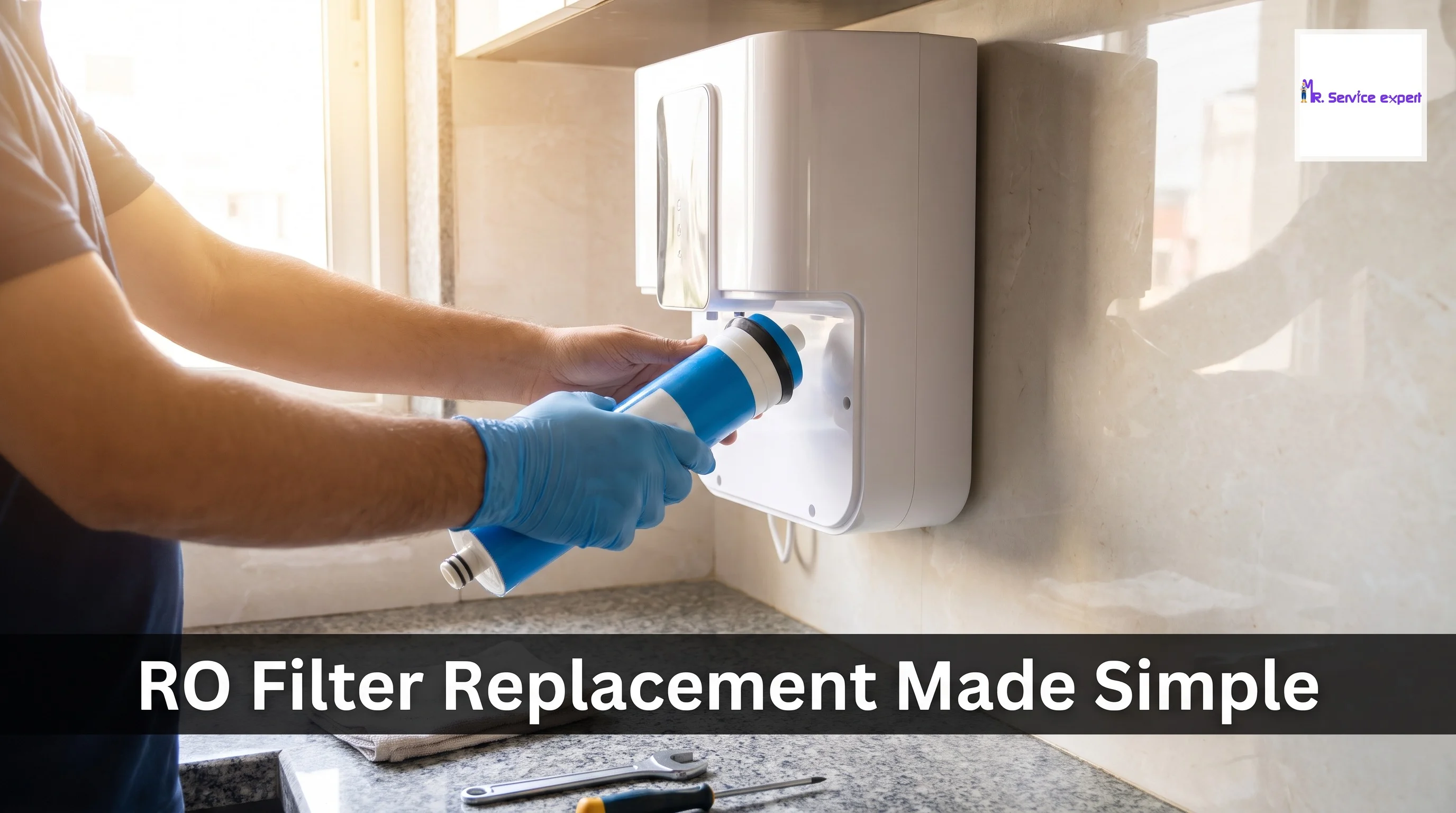
RO Filter Replacement: A Complete Guide
Clean drinking water is essential for maintaining good health, and millions of Indian households rely on reverse osmosis water purifiers to ensure safe, purified water. However, many homeowners forget that RO systems require regular maintenance to function effectively. The most critical aspect of RO maintenance is timely RO filter replacement, which directly impacts water quality, taste, and overall system performance. Without proper filter changes, your expensive purifier becomes nothing more than an ordinary water dispenser, allowing harmful contaminants to pass through unchecked.
Understanding when and how to replace RO filters can seem overwhelming, especially with different filter types serving distinct purposes within your purification system. Each filter stage plays a unique role in removing specific impurities, from sediment and chlorine to dissolved salts and microorganisms. Neglecting timely RO purifier filter change not only compromises your family's health but also increases operational costs and reduces the lifespan of your RO membrane, which is the most expensive component in the system.
This comprehensive guide covers everything you need to know about RO filter replacement in India. Whether you live in Mumbai, Delhi, Bangalore, or any other city with varying water quality conditions, understanding filter replacement schedules, costs, and procedures will help you maintain optimal water purification. We will explore different filter types, replacement indicators, step-by-step replacement procedures, and expert tips to maximize your investment in clean drinking water.
The Indian market offers numerous RO purifier models with varying filter configurations, making it crucial to understand your specific system requirements. From basic three-stage purification to advanced seven-stage systems, each configuration demands specific maintenance schedules. Additionally, water quality varies significantly across Indian cities, with some regions having high TDS levels while others face issues with bacterial contamination or excessive chlorine, affecting how frequently you need RO filter replacement service.
By the end of this guide, you will have complete knowledge about filter replacement timelines, cost considerations, DIY versus professional replacement options, and maintenance tips that ensure continuous access to pure drinking water. Whether you are a new RO owner or have been using one for years, this information will help you make informed decisions about filter replacements and overall system maintenance.
Understanding RO Filter Components and Their Functions
A typical RO water purifier consists of multiple filtration stages, each designed to remove specific contaminants from your water supply. The pre-filtration stage usually includes a sediment filter that traps visible particles like sand, dirt, rust, and other suspended solids larger than five microns. This initial barrier protects subsequent filters from clogging and extends their operational life. The sediment filter typically requires replacement every six to twelve months, depending on your water source quality and daily consumption patterns.
The activated carbon filter represents the second crucial stage in most RO systems. This filter removes chlorine, volatile organic compounds, unpleasant odors, and chemicals that affect water taste and smell. Carbon filters also protect the delicate RO membrane from chlorine damage, which can permanently reduce membrane efficiency. Depending on water quality and usage, carbon filters generally need replacement every twelve months. Some advanced systems use carbon block filters instead of granular activated carbon, offering superior contaminant removal but requiring similar replacement schedules.
The RO membrane stands as the heart of your purification system, removing dissolved salts, heavy metals, fluoride, arsenic, and microorganisms through semi-permeable membrane technology. While pre-filters handle larger particles, the RO membrane works at the molecular level, separating pure water from concentrated waste. A quality RO membrane can last between two to three years with proper pre-filter maintenance. However, neglecting pre-filter changes forces the membrane to handle additional workload, significantly reducing its lifespan and necessitating expensive premature replacement.
Post-filtration stages often include another activated carbon filter, sometimes called a post-carbon or inline carbon filter, which provides final polishing to remove any residual taste or odor before water reaches your glass. Some systems incorporate UV filters, mineralizers, or alkaline cartridges that require periodic replacement or maintenance. Understanding each component's function helps you prioritize RO purifier filter change schedules and allocate maintenance budgets effectively throughout the year.
The filter housing and connections also deserve attention during replacement procedures. O-rings, gaskets, and seals can deteriorate over time, causing leaks or allowing unfiltered water to bypass the filtration stages. Professional RO filter technician services inspect these components during filter replacement, ensuring complete system integrity. Regular comprehensive maintenance prevents minor issues from developing into major problems requiring extensive repairs or component replacements.
Signs Your RO Filters Need Immediate Replacement
Recognizing when your RO system requires filter replacement ensures continuous access to safe drinking water. The most obvious indicator is reduced water flow rate from your purifier tap. If filling a glass takes noticeably longer than usual, clogged pre-filters or a fouled RO membrane likely restrict water passage. Ignoring this sign forces your pump to work harder, increasing electricity consumption and potentially causing premature pump failure that requires costly RO Filter repair services.
Changes in water taste or odor signal that carbon filters have reached saturation and can no longer remove chlorine and organic compounds effectively. If your purified water develops a plastic taste, chemical smell, or any unusual flavor, immediate filter replacement is necessary. Some homeowners notice a slightly salty or metallic taste, indicating that the RO membrane has degraded and allows dissolved solids to pass through. Testing water TDS levels with an inexpensive meter provides objective confirmation of purification performance.
Visible sediment or cloudiness in purified water indicates severe filtration failure requiring immediate attention. Clean RO water should appear crystal clear without any particles, discoloration, or haziness. Any visible contamination suggests that filters have completely failed or that system components have developed leaks allowing untreated water to mix with purified water. In such cases, stop using the purifier immediately and contact RO filter service professionals for thorough inspection and filter replacement.
Many modern RO purifiers include filter change indicators or alert systems that notify users when replacement becomes necessary. These indicators track water volume processed or elapsed time since last filter change, providing convenient reminders. However, these systems use generic algorithms that may not account for your specific water quality conditions. Therefore, combine indicator alerts with visual inspection and water quality testing for comprehensive maintenance scheduling.
Increased water wastage represents another subtle sign of filter problems. RO systems normally reject a certain percentage of input water, but this ratio should remain relatively consistent. If you notice significantly more drain water than usual, clogged pre-filters or membrane scaling forces the system to reject more water to maintain purification standards. Addressing filter replacement promptly restores normal water efficiency and reduces wastage, lowering both water bills and environmental impact.
RO Filter Replacement Schedule and Timeline
Establishing a proper replacement schedule for different filters ensures optimal purification performance and protects expensive components from premature failure. Sediment filters typically require replacement every six to twelve months, depending on your water source. Homes receiving municipal corporation water with relatively low turbidity can extend sediment filter life toward the twelve-month range, while those using borewell or groundwater with high sediment content may need replacement every six months or even more frequently.
Pre-carbon and post-carbon filters generally last twelve months under normal usage conditions. However, water sources with high chlorine levels, common in many Indian cities where municipal authorities use aggressive chlorination for disinfection, may exhaust carbon capacity faster. If you notice taste or odor issues before the twelve-month mark, replace carbon filters immediately rather than waiting for the scheduled interval. Investing in timely carbon filter replacement protects your health and preserves RO membrane integrity.
The RO membrane replacement timeline varies considerably based on pre-filter maintenance, water quality, and daily usage volume. With diligent pre-filter replacement, quality RO membranes last between two to three years. However, neglecting pre-filter changes can reduce membrane life to just twelve to eighteen months. Given that RO membranes represent the most expensive replacement component, proper pre-filter maintenance offers excellent cost savings over the system's lifetime.
UV lamps in purifiers with UV stages require annual replacement to maintain germicidal effectiveness. While UV lamps may continue glowing beyond one year, their ultraviolet output intensity decreases over time, reducing bacterial and viral inactivation capacity. Some advanced systems include UV intensity monitors, but most require annual replacement regardless of apparent lamp condition. Marking your calendar for UV lamp replacement ensures continuous microbiological protection for your drinking water.
Creating a comprehensive maintenance calendar helps homeowners track multiple filter types with different replacement schedules. Record installation dates for each filter type and set reminders two weeks before scheduled replacement dates. This proactive approach allows time to order replacement filters and schedule professional appointments without experiencing purification gaps. Maintaining detailed service records also helps when selling or transferring the property, demonstrating proper system maintenance to potential buyers.
Step-by-Step RO Filter Replacement Process
Replacing RO filters requires careful attention to hygiene and proper procedure to maintain system integrity. Begin by shutting off the water supply valve to your RO system, usually located on the feed water line. Next, turn off the storage tank valve to prevent backflow during filter replacement. Locate the main power switch or unplug the purifier to ensure electrical safety, especially important for systems with UV lamps or electronic controls.
Release system pressure by opening the purifier tap until water flow stops completely. This crucial step prevents water spray when you open filter housings. Place towels or a basin under the filter housings to catch residual water. Most RO systems use either screw-type housings requiring a housing wrench or quick-connect housings that twist off by hand. Remove the first housing carefully, as it may contain several cups of water even after pressure release.
Remove the old sediment filter and inspect the housing interior for sediment accumulation or biofilm growth. Wash the housing thoroughly with clean water, using a soft brush if necessary to remove stubborn deposits. Avoid using soap or detergents, as chemical residues can contaminate your purified water. After cleaning, insert the new sediment filter, ensuring proper seating within the housing. Check the O-ring or gasket for cracks or deformation, replacing if necessary to prevent leaks.
Repeat this process for pre-carbon and post-carbon filters, following the same cleaning and installation procedures. When installing new filters, note the flow direction arrows marked on filter bodies or housings, ensuring correct orientation. Improper installation can reduce filtration efficiency and damage components. After installing all filters, hand-tighten housings firmly but avoid overtightening, which can crack plastic housings or damage seals.
For RO membrane replacement, locate the membrane housing, typically a horizontal cylinder with screw caps on both ends. After removing caps and carefully extracting the old membrane, flush the membrane housing with clean water. Insert the new membrane with the rubber seal facing the direction indicated in your system manual. Reassemble the housing, restore water supply and tank valve, and allow the system to fill and flush. Discard the first two tanks of water to rinse new filters before regular use. If this process seems complex or you lack confidence, professional services ensure proper installation and system functionality.
RO Filter Replacement Cost Analysis in India
Understanding RO filter replacement costs helps homeowners budget for ongoing maintenance expenses. Individual sediment filters typically cost between 150 to 400 rupees, depending on quality and micron rating. Budget options start around 150 rupees but may require more frequent replacement, while premium sediment filters priced at 300 to 400 rupees offer longer life and better filtration efficiency. Purchasing filters in bulk or multi-packs often provides cost savings for homeowners committed to regular maintenance.
Activated carbon filters range from 300 to 800 rupees each, with variation based on carbon quality, filter size, and whether you choose granular activated carbon or superior carbon block technology. Combination filter sets bundling sediment and carbon filters together typically cost between 800 to 1500 rupees, offering better value than purchasing components individually. When comparing prices, consider filter capacity and expected lifespan rather than just upfront cost.
RO membrane replacement represents the most significant expense, with prices ranging from 1500 to 4500 rupees depending on membrane quality, capacity, and rejection rate. Premium membranes from established manufacturers cost more initially but often last longer and provide better purification performance. Some homeowners attempt to save money by purchasing economy membranes, only to find they require replacement sooner, ultimately costing more over time. Investing in quality membranes with proven performance in Indian water conditions provides better long-term value.
Complete filter replacement kits including all pre-filters, post-filter, and RO membrane range from 2500 to 6000 rupees. These comprehensive kits ensure compatible components and often include installation instructions. Professional installation services add 500 to 1500 rupees to the total cost, but guarantee proper installation and system testing. Many service providers offer annual maintenance contracts covering all filter replacements and periodic inspections, with prices ranging from 3000 to 8000 rupees annually depending on system complexity and service frequency.
When comparing DIY replacement versus professional service, consider both financial and practical factors. DIY replacement saves service charges but requires time, tools, and confidence to perform procedures correctly. Incorrect installation can cause leaks, reduce purification efficiency, or damage expensive components. Professional services cost more but include expertise, warranty on replaced parts, and comprehensive system inspection identifying potential problems before they cause failures. The following table compares typical costs for different replacement scenarios:
| Filter Component | DIY Cost (INR) | Professional Service Cost (INR) | Replacement Frequency |
|---|---|---|---|
| Sediment Filter | 150-400 | 400-700 | 6-12 months |
| Pre-Carbon Filter | 300-600 | 600-1000 | 12 months |
| RO Membrane | 1500-4500 | 2500-5500 | 24-36 months |
| Post-Carbon Filter | 300-600 | 600-1000 | 12 months |
| UV Lamp | 800-1500 | 1200-2000 | 12 months |
| Complete Service Kit | 2500-6000 | 4000-8000 | Annual comprehensive |
DIY vs Professional RO Filter Replacement
Many homeowners consider performing RO filter replacement themselves to save service charges and gain hands-on understanding of their purification system. DIY replacement offers several advantages including immediate filter changes without waiting for service appointments, cost savings on labor charges, and the satisfaction of maintaining your own equipment. With proper research, basic tools, and careful attention to procedures, most people can successfully replace sediment and carbon filters without professional help.
However, DIY replacement carries certain risks that homeowners should consider carefully. Improper installation can cause leaks leading to water damage, especially concerning for apartments or homes with wooden flooring. Incorrectly seated filters or damaged O-rings allow unfiltered water to bypass filtration stages, defeating the entire purpose of your RO system. Cross-threading filter housings or overtightening components can crack plastic parts requiring expensive replacements. Additionally, DIY installers may miss underlying problems that experienced technicians would identify during routine service visits.
Professional replacement service provides expertise gained from servicing hundreds of systems, ensuring proper installation and comprehensive system inspection. Technicians carry specialized tools, replacement parts for common wear items like O-rings and flow restrictors, and knowledge to troubleshoot issues discovered during filter replacement. Professional services typically include pressure testing after installation, water quality verification, and warranty on replaced components. For complex procedures like RO membrane replacement or systems with electronic controls, professional assistance often proves worthwhile.
The decision between DIY and professional replacement often depends on your specific situation. If you have basic mechanical aptitude, access to replacement filters, and confidence in following detailed instructions, DIY replacement of sediment and carbon filters can be accomplished successfully. However, for RO membrane replacement, UV lamp changes, or when dealing with persistent system problems, professional service provides peace of mind and ensures optimal system performance. Many homeowners adopt a hybrid approach, handling routine sediment and carbon filter changes themselves while scheduling professional service annually for comprehensive maintenance including membrane inspection and replacement.