

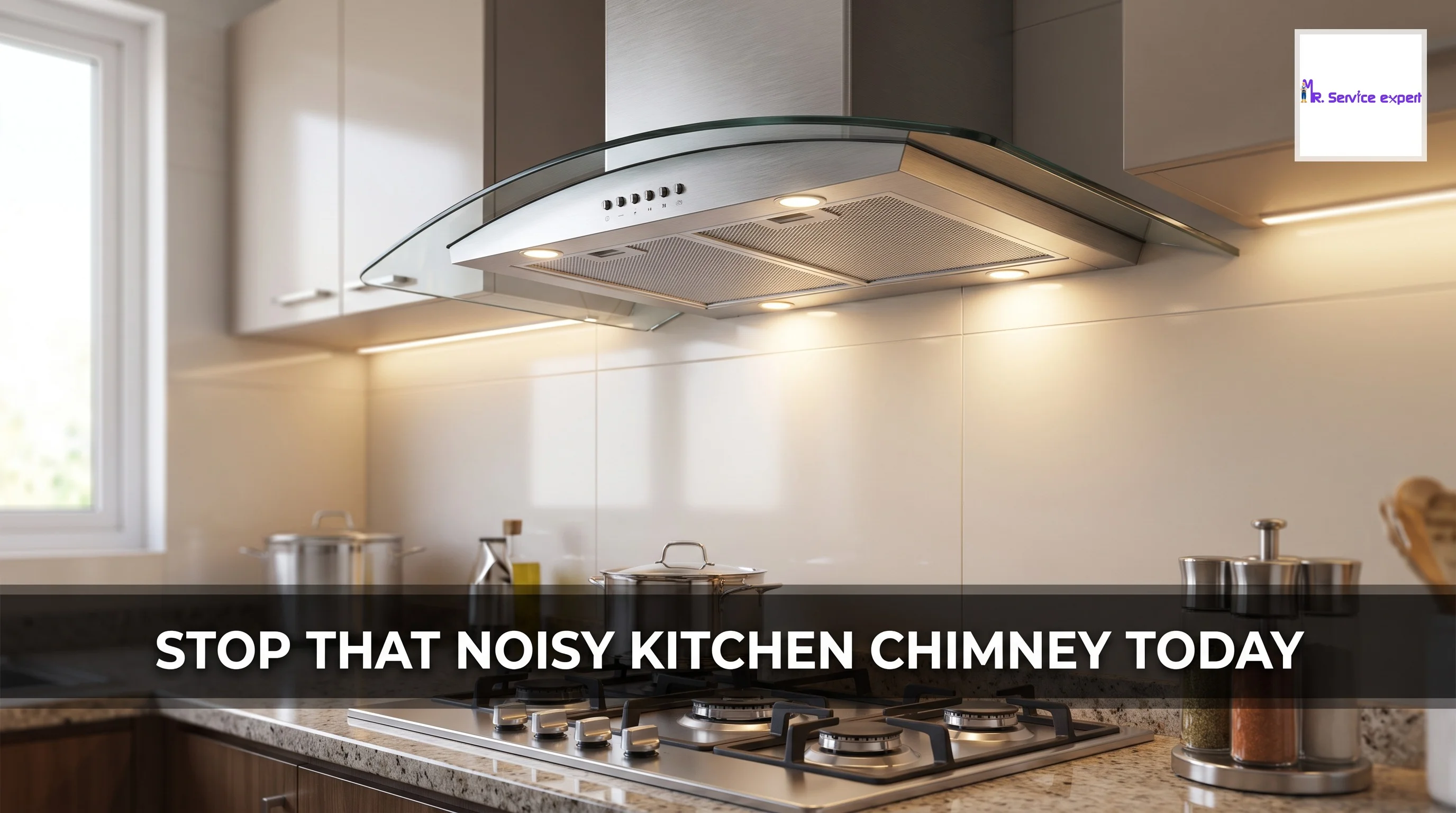
Kitchen Chimney Making Noise? Here's Why
Nothing disrupts the peace of cooking quite like a kitchen chimney making noise that sounds like an airplane taking off. If you have been dealing with rattling, grinding, or humming sounds coming from your chimney, you are not alone. Thousands of Indian households face this frustrating issue every day, and the good news is that most causes are fixable with the right knowledge and approach.
A noisy kitchen chimney is more than just an annoyance. It often signals underlying problems that, if left unaddressed, can lead to reduced performance, higher electricity bills, and eventually complete appliance failure. Understanding why your chimney makes unusual sounds is the first step toward resolving the issue and restoring peaceful cooking sessions in your home.
In this comprehensive guide, we will explore every possible reason behind kitchen chimney noise, from simple fixes you can handle yourself to situations requiring professional intervention. Whether your chimney produces a high-pitched whine, a deep rumbling, or intermittent clicking sounds, we will help you identify the exact cause and provide practical solutions tailored to Indian kitchens.
The variety of chimney designs available in the Indian market, ranging from basic straight duct models to advanced filterless baffle systems, means that troubleshooting approaches can vary. However, the fundamental principles of chimney troubleshooting remain consistent across models. By the end of this article, you will have a clear action plan to silence that noisy chimney and know exactly when to call for professional kitchen chimney repair services.
Most importantly, understanding these noise issues helps you maintain your appliance better, potentially saving thousands of rupees in replacement costs and extending your chimney life by several years. Let us dive into the specific reasons why chimneys become noisy and how you can address each problem effectively.
Common Causes of Kitchen Chimney Noise
The sources of kitchen chimney noise can be categorized into mechanical issues, installation problems, maintenance neglect, and component wear. Identifying which category your noise falls into is crucial for effective chimney troubleshooting. Each type of noise typically points to a specific underlying problem.
Motor bearing issues rank among the most frequent culprits. The motor inside your chimney runs on bearings that allow smooth rotation. Over time, these bearings wear out due to continuous use, heat exposure, and sometimes poor lubrication. When bearings deteriorate, they create grinding or screeching sounds that intensify as the motor speed increases. This problem is especially common in chimneys older than three years or those used extensively for frying and heavy cooking that generates more heat and grease.
Loose components represent another major noise source. During installation or after years of vibration, screws, nuts, and mounting brackets can work themselves loose. These loose parts vibrate against the chimney body or kitchen wall, creating rattling or clattering sounds. The vibration becomes more pronounced at higher suction speeds, making the noise intermittent based on your usage patterns.
Duct problems contribute significantly to operational noise. A poorly installed or damaged duct creates turbulent airflow, which generates whooshing or roaring sounds. Bends that are too sharp, ducts that are too long, or improper connections between duct sections all force air to work harder, creating excessive noise. In Indian apartments where duct routing can be complex due to space constraints, this becomes a particularly relevant issue.
Dirty or clogged filters force the motor to work harder to maintain suction, resulting in louder operation. When grease accumulates on baffle filters or cassette filters get saturated, airflow resistance increases dramatically. The motor compensates by spinning faster and working harder, which naturally produces more noise. This situation also increases electricity consumption and reduces the chimney overall efficiency.
Fan blade imbalance occurs when grease deposits accumulate unevenly on the blower blades or when a blade gets damaged. This imbalance causes wobbling during rotation, leading to rhythmic thumping or vibrating sounds. The imbalance worsens over time as more grease accumulates, creating a progressively louder disturbance.
Types of Noises and What They Indicate
Understanding the specific type of noise your chimney makes provides valuable clues for accurate chimney troubleshooting. Different sounds point to different problems, and recognizing these patterns helps you communicate effectively with service technicians or attempt appropriate DIY fixes.
A grinding or screeching noise typically indicates bearing failure or motor issues. This high-pitched, metallic sound often starts subtle and grows louder over weeks or months. It may be continuous or occur only at certain speeds. This noise demands urgent attention because continued operation with worn bearings can damage the motor permanently, turning a simple bearing replacement into an expensive motor replacement.
Rattling or vibrating sounds usually stem from loose mounting brackets, screws, or internal components. This noise may vary with suction speed and sometimes stops if you gently press on the chimney body. The vibration can also transfer to kitchen cabinets or walls, amplifying the disturbance. While not immediately threatening to the appliance, persistent rattling can gradually damage mounting points and worsen over time.
Humming or buzzing noises often relate to electrical issues, motor problems, or resonance within the duct system. A low-frequency hum might indicate motor strain from a clogged filter or duct obstruction. Higher-pitched buzzing could suggest electrical component issues or capacitor problems. These sounds require careful diagnosis to determine whether the root cause is mechanical or electrical.
Whooshing or roaring sounds point to airflow problems. When air moves through restricted spaces, sharp bends, or improperly sized ducts, it creates turbulence that manifests as wind-like noise. This type of sound typically intensifies at higher suction speeds and may be accompanied by reduced smoke extraction efficiency. The problem lies not with the chimney mechanism itself but with the installation or duct design.
Clicking or ticking sounds often indicate thermal expansion and contraction. As the chimney heats up during use and cools down afterward, different materials expand at different rates, causing intermittent clicking. While usually harmless, persistent clicking might also signal loose internal components or failing electronic controls.
Intermittent thumping or banging suggests fan blade issues. When blades are imbalanced, bent, or hitting something during rotation, they create regular thumping sounds synchronized with the rotation speed. This problem requires immediate attention because a damaged blade can break apart during operation, potentially destroying the motor and other components.
Troubleshooting Your Noisy Kitchen Chimney
Effective chimney troubleshooting follows a systematic approach from simple checks to more complex diagnostics. Starting with basic maintenance steps often resolves the issue without requiring professional kitchen chimney service interventions.
Begin with a thorough cleaning. Turn off the chimney and disconnect it from power for safety. Remove and clean the filters using warm water with dish soap or a degreaser. Baffle filters can be soaked for 30 minutes, while cassette filters should be replaced if they cannot be properly cleaned. Clean the internal surfaces you can access, removing grease buildup from visible fan blades. This simple step resolves noise issues in approximately 40 percent of cases where dirty components force the motor to work harder.
Inspect all visible screws and mounting brackets. Use a screwdriver to tighten any loose fasteners on the chimney body, mounting plate, and duct connections. Pay special attention to the screws securing the chimney to the wall bracket, as these often work loose from constant vibration. Ensure the chimney sits level and properly aligned, as misalignment causes additional stress and noise.
Check the duct installation carefully. Look for any kinks, excessive bends, or compression in the duct material. The duct should have as few bends as possible, and any necessary turns should be gradual rather than sharp. Ensure all connections are secure and properly sealed. If your duct extends more than six feet or has multiple bends, consider consulting a professional for duct optimization. Poor duct design affects not just noise levels but also extraction efficiency.
Test the chimney at different speeds. Run it through all speed settings and note when the noise occurs or intensifies. If noise appears only at higher speeds, the issue might be motor-related or due to airflow turbulence. If present at all speeds, look toward mechanical issues like bearing wear or loose components. Document these patterns to help service technicians diagnose the problem if professional help becomes necessary.
Examine the fan blades if accessible. Some chimney models allow you to view the blower assembly by removing the filters. Look for visible grease accumulation, damage, or bent blades. Even slight blade damage can cause significant imbalance and noise. Do not attempt to clean or repair the blower yourself unless you have technical expertise, as improper handling can worsen the problem.
Listen for the source of the noise. Have someone else operate the chimney while you carefully listen from different angles. Determine whether the sound originates from the chimney body, the duct, or the external outlet. This information proves invaluable for targeted chimney repair efforts and helps avoid unnecessary work on unrelated components.
When to Call Professional Kitchen Chimney Repair Services
While some kitchen chimney noise issues can be resolved through DIY troubleshooting, certain situations absolutely require professional expertise. Knowing when to stop self-diagnosis and call for kitchen chimney repair services prevents further damage and ensures safe operation.
Motor or bearing problems demand professional attention. If you have cleaned the filters and tightened loose components but still hear grinding or screeching sounds, the motor bearings likely need replacement. This repair requires disassembling the chimney, removing the motor assembly, replacing bearings with proper specifications, and reassembling everything correctly. Attempting this without proper tools and knowledge risks damaging expensive components.
Electrical issues should never be DIY projects unless you are a qualified electrician. If your chimney shows electrical symptoms like inconsistent speed control, burning smells, sparking, or refuses to start despite power supply, call professionals immediately. Electrical problems in kitchen appliances pose fire and shock hazards that far outweigh any repair cost savings.
Persistent noise after basic maintenance indicates deeper mechanical problems. When cleaning filters, tightening screws, and checking ducts fail to reduce noise, internal components may be damaged or worn beyond simple fixes. Professional technicians have diagnostic tools and experience to identify issues not visible or accessible to homeowners.
Warranty considerations matter significantly. If your chimney is under warranty, attempting unauthorized repairs typically voids coverage. Most manufacturers require authorized service centers to handle repairs during the warranty period. Even if you are confident about fixing the issue yourself, check your warranty terms first to avoid losing valuable coverage.
Complex duct modifications require professional installation expertise. If troubleshooting reveals that your duct design contributes to excessive noise, proper correction demands knowledge of airflow dynamics, local building codes, and proper sealing techniques. Professional installers ensure modifications improve rather than worsen performance while maintaining safety standards.
Annual kitchen chimney maintenance should ideally be professional. Even if your chimney currently operates quietly, scheduling yearly professional service prevents future noise problems. Technicians can deep clean internal components, check motor health, lubricate moving parts where applicable, inspect electrical connections, and identify potential issues before they become serious problems. This preventive approach typically costs between 500 and 1500 rupees but saves thousands in premature replacement costs.
Preventive Measures to Keep Your Chimney Quiet
Prevention beats cure, especially regarding kitchen appliance maintenance. Implementing regular care practices significantly reduces the likelihood of your chimney developing noise problems and extends its operational life by years.
Establish a consistent cleaning schedule based on your cooking frequency. For households cooking three meals daily with regular frying and Indian-style cooking, clean baffle filters weekly and cassette filters every two weeks. For lighter cooking patterns, bi-weekly or monthly cleaning suffices. Mark cleaning days on your calendar to maintain consistency rather than waiting for visible grease buildup.
Use your chimney at appropriate speeds. Many users run chimneys at maximum speed constantly, believing it provides better smoke extraction. This practice unnecessarily strains the motor and accelerates wear. Use low speed for light cooking, medium for regular cooking, and high speed only when generating significant smoke or steam. This approach reduces motor stress, saves electricity, and minimizes noise.
Ensure proper ventilation around the chimney. Adequate airflow allows the motor to dissipate heat effectively, reducing thermal stress on components. Avoid blocking the sides or top of your chimney with decorative items or storage, as this restricts cooling airflow and causes the motor to run hotter and potentially noisier.
Invest in quality filters and replace them as recommended. While aftermarket filters cost less, they often provide inferior grease capture and airflow characteristics. Using recommended filters ensures optimal performance and reduces motor strain. Replace cassette filters every four to six months depending on usage, rather than trying to clean them excessively.
Check and maintain the external duct outlet regularly. Bird nests, debris, or weather damage can restrict the outlet, forcing your chimney to work harder. Inspect the external vent quarterly and clear any obstructions. Install a proper vent cover that prevents debris entry while allowing free airflow.
Monitor unusual sounds immediately. The moment you notice any new or changing noise, investigate promptly. Early intervention prevents minor issues from escalating into major repairs. What might be a simple loose screw today could damage internal components if vibration continues unchecked for months.
Cost Considerations for Chimney Repair in India
Understanding potential repair costs helps you budget appropriately and make informed decisions about repair versus replacement. Prices vary significantly across Indian cities and depend on the specific problem and chimney brand.
Basic service calls typically range from 300 to 800 rupees, covering technician visit charges, diagnosis, and minor adjustments. Many service providers waive this charge if you proceed with recommended repairs. This fee structure encourages proper diagnosis rather than guesswork repairs.
Filter cleaning services cost between 200 and 500 rupees depending on your location and chimney type. While you can clean filters yourself, professional cleaning includes deep cleaning of internal surfaces and blower assembly, providing more thorough results. Some annual maintenance contracts include quarterly cleaning as part of the package.
Motor bearing replacement represents a moderate repair expense, typically ranging from 1500 to 4000 rupees including parts and labor. The exact cost depends on your chimney brand, model, and motor specifications. Imported chimney models may require ordering specific bearings, potentially increasing both cost and turnaround time.
Complete motor replacement becomes necessary when motors burn out from prolonged operation with worn bearings or electrical issues. Costs range from 3000 to 8000 rupees for most models, with premium brand motors potentially costing more. At this price point, consider whether investing in a new chimney makes more financial sense, especially for older units.
Duct modification or reinstallation services vary widely based on complexity. Simple duct adjustments might cost 1000 to 2000 rupees, while complete duct replacement with proper routing can range from 2500 to 6000 rupees. Apartments requiring complex routing through false ceilings or multiple rooms incur higher charges due to additional labor and materials.
Annual maintenance contracts offer good value for regular users. These contracts typically cost 1500 to 3000 rupees per year and include quarterly visits, unlimited service calls, cleaning, and discounted parts. For busy households or those wanting hassle-free maintenance, these contracts provide peace of mind and often prevent major issues through regular professional oversight.
| Repair Type | Approximate Cost Range (INR) | Typical Turnaround |
|---|---|---|
| Service call and diagnosis | 300-800 | Same day |
| Filter cleaning service | 200-500 | Same day |
| Bearing replacement | 1500-4000 | 1-3 days |
| Motor replacement | 3000-8000 | 2-5 days |
| Duct modification | 1000-6000 | 1-2 days |
| Annual maintenance contract | 1500-3000 | Year-round coverage |