
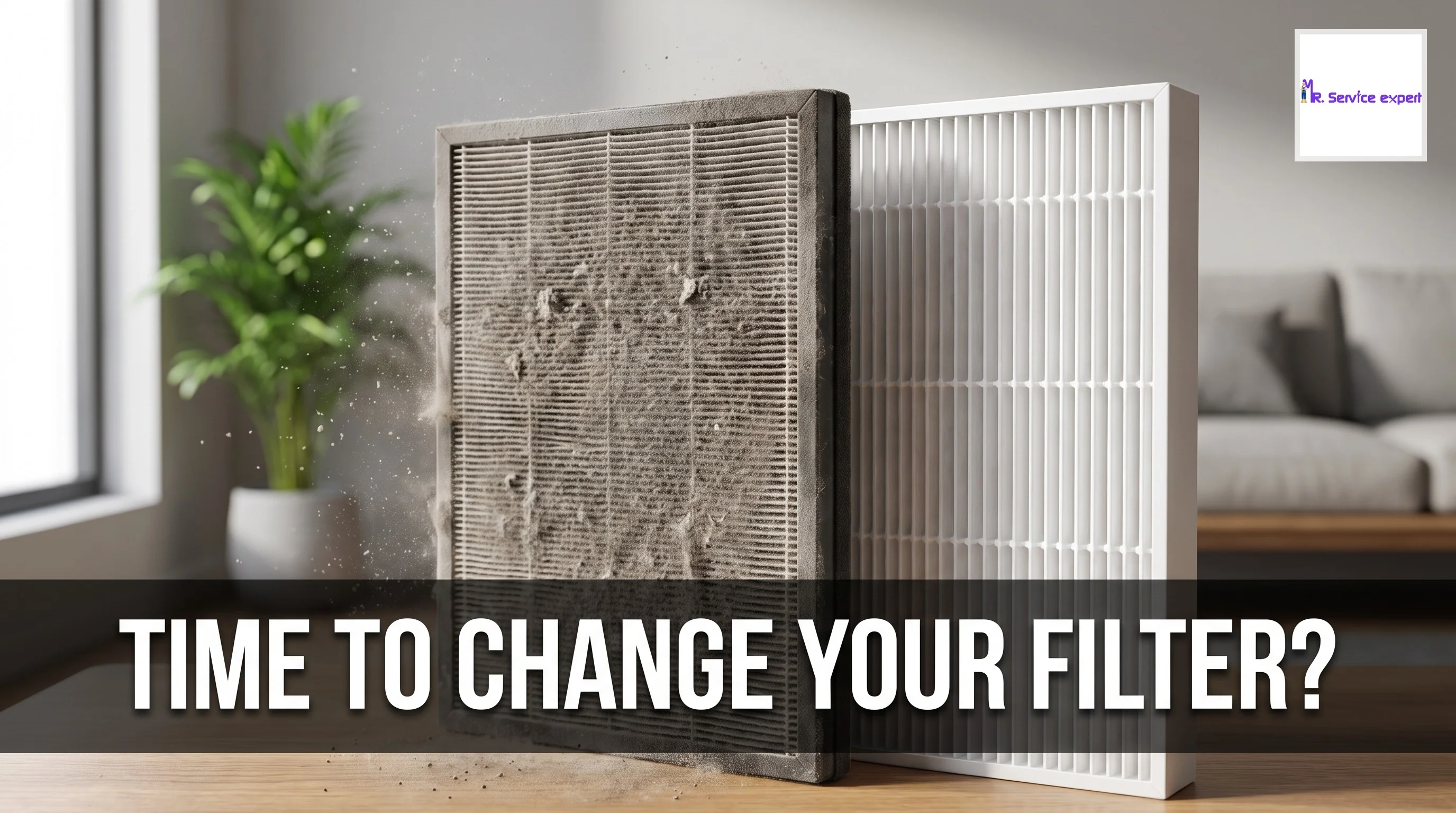
Signs Your Air Purifier Needs a Filter Change
Breathing clean air inside your home should never feel like a luxury, yet many Indian households unknowingly compromise their indoor air quality by neglecting one crucial aspect of their air purifiers: the filter. You might have invested in a quality air purifier to combat Delhi's smog, Bangalore's dust, or Mumbai's humidity, but without timely filter replacements, your device becomes less effective than you think. The air purifier filter signs that indicate replacement time are often subtle at first, gradually becoming more obvious as performance deteriorates.
Understanding when to change your air purifier filter is not just about maintaining device efficiency; it directly impacts your family's health. A clogged or saturated filter cannot trap pollutants effectively, meaning dust, allergens, bacteria, and harmful particles continue circulating in your living space. With air pollution levels across major Indian cities frequently crossing hazardous thresholds, your air purifier works overtime, which means filters reach their saturation point faster than you might expect.
Many people assume that following the manufacturer's timeline is enough, but real-world conditions in India often demand more frequent attention. Factors like construction activity nearby, Diwali firecracker smoke, vehicular pollution, cooking habits, and seasonal pollen significantly affect how quickly filters become dirty. Recognizing the warning signs early helps you maintain optimal air purifier performance and protects your respiratory health.
This comprehensive guide walks you through the most reliable indicators that your air purifier needs a filter change. Whether you are a first-time air purifier owner or have been using one for years, understanding these signs empowers you to make informed decisions about maintenance. From visible dirt accumulation to decreased airflow and unusual odors, each symptom tells a story about your filter's condition and your indoor air quality.
By the end of this article, you will know exactly what to watch for, how often to inspect your filters based on Indian living conditions, and why ignoring these signs can cost you more than just money. Let us explore the telltale indicators that signal it is time for a filter replacement, ensuring your investment continues delivering the clean air your family deserves.
Decreased Airflow from Your Air Purifier
One of the earliest and most noticeable air purifier filter signs is reduced airflow coming from the device. When you stand near your air purifier, you should feel a consistent stream of air being pushed out. If this airflow feels weaker than usual or barely noticeable, your filter is likely clogged with accumulated particles. Think of it like breathing through a cloth versus breathing freely; a dirty air filter creates resistance that forces your purifier to work harder while delivering less clean air.
In Indian homes, especially during winter months when pollution spikes or during summer when dust storms are common, filters accumulate particles at an accelerated rate. A filter designed to last three months might need replacement in just six weeks under heavy pollution conditions. The reduced airflow happens because the filter pores become blocked with dust, pollen, pet dander, smoke particles, and other contaminants it has captured over time.
To test your air purifier performance related to airflow, place your hand about six inches from the air outlet when the device runs at its highest setting. Compare this sensation with how it felt when the filter was new or recently changed. A significant difference indicates your filter cannot handle the air volume efficiently anymore. This reduced circulation means your purifier takes longer to clean a room, sometimes failing to reach target air quality levels at all.
Decreased airflow also forces the motor and fan to work harder, consuming more electricity and potentially shortening the device's lifespan. You might notice your electricity bills creeping up slightly as the struggling purifier runs longer cycles to compensate for reduced efficiency. The fan motor experiences additional strain trying to push air through the blocked filter, which generates more heat and increases wear on internal components.
Beyond just noticing reduced airflow, pay attention to whether certain areas of your room seem less ventilated than before. If you previously felt air circulation throughout the space but now only feel it directly in front of the purifier, this localized effect confirms that overall air purifier performance has declined due to filter saturation. Addressing this sign promptly restores proper circulation and ensures every corner of your room receives filtered air.
Visible Dirt and Discoloration on Filter Surface
When you open your air purifier and inspect the filter, the most obvious indicator is visible dirt accumulation. A clean filter typically appears white, light gray, or the manufacturer's original color, depending on the filter type. However, a dirty air filter shows significant discoloration, ranging from dark gray to brown or even black, particularly if you live in high-pollution areas like Delhi NCR, Kolkata, or industrial zones.
This discoloration is not just superficial; it represents thousands of harmful particles the filter has trapped, preventing them from entering your lungs. In Indian metropolitan areas where PM2.5 and PM10 levels frequently exceed safe limits, filters can turn visibly dirty within weeks. The color change often appears most pronounced on the side facing incoming air, showing exactly how much contamination your purifier has prevented from circulating indoors.
Besides uniform discoloration, look for uneven dirt patches or streaks on the filter surface. These patterns indicate that certain sections of the filter are working harder than others, possibly due to airflow irregularities or the filter settling unevenly in its housing. Such uneven accumulation can reduce overall filtering efficiency even if parts of the filter appear relatively clean. The heavily soiled sections become completely blocked while cleaner areas handle all the airflow, creating an imbalanced filtration process.
For homes with pets, you might notice fur and hair visibly stuck to the pre-filter or main filter. During shedding seasons, this accumulation happens remarkably quickly. Similarly, households near construction sites or unpaved roads will see a layer of fine dust coating the filter. If you cook frequently with oils and spices, your filter might show a slightly sticky residue combined with discoloration, indicating airborne cooking particles have been captured.
Inspect your filter at least once a month by removing the front panel or opening the designated access compartment. Take a photo each time you check so you can compare progression over weeks. When the discoloration becomes heavy enough that you can barely see the original filter material color, replacement is overdue. Even if the manufacturer suggests a three to six month replacement cycle, visible heavy soiling indicates the filter has reached its capacity and needs changing immediately regardless of the timeline.
Strange or Unpleasant Odors Coming from the Device
A properly functioning air purifier with a fresh filter should never emit unpleasant odors; instead, it should help eliminate existing smells in your home. If you notice musty, burning, or other strange smells coming from your air purifier, this is one of the clearest air purifier filter signs that maintenance is needed. Different odors indicate different problems, but all point toward filter issues requiring attention.
A musty or moldy smell typically indicates moisture has accumulated in the filter, especially common in humid Indian cities like Mumbai, Chennai, Kochi, or during monsoon season across the country. When filters become damp, they create perfect conditions for mold and bacteria growth. These microorganisms not only smell unpleasant but also get released back into your air, potentially causing respiratory problems and allergic reactions. HEPA filters are particularly susceptible to mold growth when exposed to high humidity without proper drying or replacement.
If you detect a burning smell, this is a more serious concern. It might indicate that the motor is overheating due to the strain of pushing air through a severely clogged filter. Alternatively, accumulated dust on the filter might be getting heated by the device's internal components. Either situation requires immediate attention; turn off the purifier and inspect the filter. A burning smell combined with reduced airflow almost certainly means your dirty air filter is causing dangerous operational stress on the device.
Sometimes you might notice that odors from cooking, like strong spices, garlic, or fish, seem to linger in your home despite running the air purifier. Or perhaps cigarette smoke smell persists longer than it should. These situations indicate that the activated carbon layer in your filter, responsible for odor absorption, has reached saturation. Once carbon filters become fully loaded with odor molecules, they cannot absorb more, and in some cases, they might even release previously captured odors back into the air.
Pet owners should be particularly attentive to smell changes. If pet odors that were previously controlled suddenly become noticeable again, your filter's carbon layer needs replacement. Similarly, if you live near industrial areas or busy roads and start noticing chemical or exhaust smells indoors despite running your purifier, the filter can no longer handle the pollution load. Addressing odor-related air purifier filter signs promptly prevents potential health issues and restores your home's air quality to acceptable levels.
Increased Allergy Symptoms and Respiratory Issues
Your body often provides the most reliable indicator that your air purifier is not performing optimally. If household members who previously experienced relief from allergies, asthma, or other respiratory conditions suddenly notice symptoms returning or worsening, a saturated filter is likely the culprit. This connection between air purifier performance and health symptoms is particularly evident in Indian homes where dust, pollen, and pollution levels fluctuate seasonally.
When filters become too dirty to function properly, they can no longer trap allergens like dust mites, pollen, pet dander, and mold spores effectively. These particles continue circulating in your indoor air, triggering allergic reactions such as sneezing, runny nose, itchy eyes, coughing, and congestion. People with asthma might experience more frequent attacks or need their rescue inhalers more often. Children and elderly family members, who are typically most vulnerable to air quality issues, might show symptoms first.
During high-pollution seasons in India, such as post-Diwali periods or winter months when stubble burning affects air quality across northern states, your air purifier works overtime. If you notice that despite running the purifier continuously, family members still wake up with stuffy noses, experience morning coughs, or have difficulty breathing at night, the filter has likely reached its capacity and cannot handle the pollution load anymore.
Some people report experiencing headaches, fatigue, or general discomfort when spending time in rooms where the air purifier runs with an overdue filter. This happens because a dirty air filter cannot remove volatile organic compounds, bacteria, and fine particulate matter that contribute to sick building syndrome. Instead of improving indoor air quality, a purifier with an exhausted filter merely circulates contaminated air without meaningful filtration.
Track health patterns in your household and correlate them with your filter replacement schedule. If you replaced the filter three months ago and symptoms recently returned, environmental factors might have accelerated filter saturation. Consulting an air purifier technician for professional assessment can help determine whether health issues relate to filter condition or other air quality factors. Remember that investing in timely filter replacements costs far less than medical treatments for respiratory conditions and lost productivity due to illness.
Warning Lights and Indicator Alerts on Your Device
Modern air purifiers sold in India come equipped with smart features designed to take the guesswork out of maintenance. One of the most helpful technologies is the filter change indicator, typically displayed as a light, symbol, or message on the device's control panel. When this warning appears, it is a direct air purifier filter sign that should never be ignored. These indicators use various methods to track filter life and alert you when replacement time arrives.
Some air purifiers use time-based indicators that count operational hours. After a preset number of hours, usually corresponding to the manufacturer's recommended filter lifespan, the indicator activates. While this system provides a helpful baseline, it does not account for actual air quality conditions. A purifier running in heavily polluted Delhi will have a much dirtier filter after 1000 hours compared to one operating in a cleaner hill station environment, even though both trigger the same time-based alert.
More advanced models incorporate air quality sensors that monitor actual pollution levels and adjust the indicator based on how hard the filter is working. These smart systems track particulate matter concentration, automatically running the purifier at higher speeds during pollution spikes and calculating filter degradation more accurately. When the sensor-based indicator triggers, it reflects actual filter condition rather than just elapsed time, providing a more reliable signal.
The indicator light typically changes color or flashes to grab attention. Common implementations include a red light for immediate replacement needed, yellow or orange for approaching replacement time, and green for good filter condition. Some devices display filter life percentage on digital screens, counting down from 100 percent to zero as the filter becomes saturated. Others use simple icons like a filter symbol that illuminates or blinks when service is needed.
Never ignore these warning indicators by simply resetting them without actually changing the filter. Some people disable or reset the alert thinking they can extend filter life, but this defeats the purpose of the technology and compromises air purifier performance. If the indicator triggers but you recently changed the filter, you might have forgotten to reset the counter after installation, or environmental conditions might be exceptionally harsh, genuinely requiring more frequent replacements than normal.
If your air purifier lacks an automatic indicator, create your own tracking system. Mark calendar dates or set smartphone reminders based on the manufacturer's recommendations, then adjust based on your observations of other signs. Combining indicator alerts with visual inspections and performance monitoring provides comprehensive filter management that ensures your air purifier operates at peak efficiency year-round.
Unusual Noises and Increased Energy Consumption
Air purifiers typically operate quietly, with only the gentle hum of the fan audible during normal operation. When your device starts making unusual sounds, this often indicates that a clogged filter is forcing components to work harder than designed. Paying attention to noise changes provides valuable air purifier filter signs that can prevent more serious mechanical problems and signal when maintenance is overdue.
A rattling or vibrating sound might indicate that airflow restriction from a dirty air filter is causing the fan to operate unevenly or that accumulated debris has shifted within the filter housing. Whistling or wheezing noises often result from air trying to squeeze through the few remaining clear passages in a heavily clogged filter, similar to how congested breathing sounds. If you hear a grinding or clicking sound, the motor might be struggling against the resistance created by blocked filters, potentially indicating bearing wear accelerated by overwork.
Louder than normal fan noise at the same speed setting suggests the motor is working harder to compensate for reduced airflow through the saturated filter. You might notice that running the purifier at medium speed now sounds as loud as high speed used to sound when the filter was fresh. This increased noise level directly correlates with decreased efficiency, as the device struggles to move air through the obstruction while consuming more electricity in the process.
Speaking of electricity consumption, a dirty air filter forces your air purifier to work longer and harder to achieve the same air cleaning results, leading to increased energy usage. While the difference might seem minimal day to day, over months it adds up noticeably on your electricity bill. An air purifier that previously ran intermittently based on air quality sensors might now run continuously because it cannot bring pollution levels down to the threshold for automatic shutoff. This extended operation due to reduced air purifier performance increases both energy costs and wear on components.
Modern smart meters and energy monitoring apps allow you to track appliance-specific consumption. If you notice your air purifier's energy usage has crept up by 15 to 30 percent compared to when the filter was new, saturation is likely the cause. For households running multiple air purifiers across different rooms, this efficiency loss multiplies, creating significant waste. The money spent on excess electricity often exceeds the cost of a replacement filter, making timely changes economically sensible beyond just health considerations.
Document any unusual sounds by making a brief recording on your phone, which can be helpful if you need to describe the issue to an air purifier service professional. Sometimes noises indicate mechanical problems unrelated to the filter, but in most cases, filter replacement resolves sound issues. If strange noises persist after installing a fresh filter, contact the manufacturer or an authorized service center for diagnosis.
Wondering when to replace your air purifier filter? Learn more about the critical warning signs that indicate your filter has reached its limit—from decreased airflow and unusual odors to visible dust accumulation and increased allergy symptoms. Discover how regular filter maintenance ensures optimal performance and protects your family's health year-round. If you're experiencing persistent issues despite changing filters, consider scheduling professional air purifier repair to ensure your device operates at maximum efficiency.