

Signs Your Geyser Needs Replacement
Every household in India depends on geysers during the winter months for hot water supply. Whether you live in chilly northern regions or experience cooler mornings elsewhere, a functioning water heater is essential for comfortable daily routines. However, like all appliances, geysers have a limited lifespan and show definite signs when they are approaching the end of their service life. Recognizing these geyser replacement signs early can save you from unexpected cold showers, expensive emergency repairs, and potential water damage to your home. Old geyser problems often manifest gradually, giving you time to plan for a replacement before complete failure occurs. Understanding when to replace rather than repair your water heater is crucial for maintaining both comfort and safety in your home. This comprehensive guide will help you identify the warning signals that indicate your geyser needs replacement, ensuring you make informed decisions about your home's hot water system.
Most geysers in Indian homes have an average lifespan of 8 to 12 years, depending on the quality of water, frequency of maintenance, and usage patterns. Hard water, which is common in many Indian cities, can significantly reduce this lifespan by causing mineral buildup and corrosion inside the tank. When multiple warning signs appear simultaneously, the cumulative repair costs often exceed the investment in a new, energy-efficient model. Modern geysers come with improved safety features, better insulation, and higher energy ratings that can reduce your electricity bills substantially. Recognizing the difference between minor issues requiring geyser service and major problems demanding replacement is essential for homeowners.
The decision between geyser repair vs replace is not always straightforward, but certain symptoms clearly indicate that replacement is the more practical and economical choice. Continuous repairs become a drain on your finances and time, especially when dealing with recurring old geyser problems that never seem to be permanently resolved. Additionally, older models lack the advanced safety mechanisms present in contemporary units, potentially putting your family at risk. Water heater failures can cause significant property damage if tanks rupture or leak extensively, making timely replacement a preventive measure against costly home repairs.
Throughout this article, we will examine specific indicators that your geyser has reached the end of its functional life. From visible rust and discolored water to inefficient heating and alarming noises, each sign provides valuable information about your appliance's condition. We will also discuss how factors like age, repair frequency, and energy consumption play into the replacement decision. By the end of this guide, you will have a clear understanding of when to call a geyser technician for a final assessment and when to start shopping for a new unit that better serves your household needs.
Making an informed decision about geyser replacement protects your investment and ensures uninterrupted hot water supply throughout the year. The following sections detail the most common and critical geyser replacement signs you should never ignore, helping you maintain a safe and efficient home heating system.
Understanding Geyser Lifespan and When Replacement Becomes Necessary
The typical lifespan of a water heater varies based on several factors including build quality, water hardness, maintenance frequency, and daily usage intensity. In Indian conditions, where water quality differs significantly across regions, geysers generally last between 8 and 12 years. Storage water heaters with tanks tend to have a more defined lifespan compared to instant geysers, primarily due to the constant exposure to water and the accumulation of sediments over time. Understanding your geyser's age is the first step in anticipating replacement needs.
When your water heater crosses the 10-year mark, it enters a critical phase where old geyser problems become increasingly common and costly to address. The heating element efficiency decreases, the tank's internal lining deteriorates, and safety mechanisms may no longer function optimally. Even with regular maintenance, older units cannot match the performance and energy efficiency of newer models available in 2026. Manufacturers design geysers with a specific operational lifespan in mind, beyond which the failure rate increases exponentially.
The frequency of repairs provides a clear indicator of whether replacement makes financial sense. If you find yourself calling a professional multiple times within a year for different issues, the cumulative cost of these repairs often approaches or exceeds 50 percent of a new geyser's price. This scenario represents a classic case where the repair versus replacement equation tilts heavily toward replacement. Additionally, repeated failures indicate systemic deterioration rather than isolated component failures, suggesting the entire unit is approaching complete breakdown.
Energy consumption patterns also signal when replacement becomes economically beneficial. Older geysers consume significantly more electricity than modern 5-star rated models. If your electricity bills have been steadily increasing despite unchanged usage patterns, your aging geyser may be working harder to achieve the same heating results. New models feature improved insulation, better thermostats, and more efficient heating elements that can reduce energy consumption by 20 to 30 percent. Over a few years, these savings can offset the replacement cost entirely.
Another crucial consideration is the availability of spare parts for older models. As geysers age beyond 10 years, manufacturers often discontinue production of specific components, making repairs challenging or impossible. When a technician informs you that parts are no longer available or must be custom-ordered at premium prices, replacement becomes the only viable option. Modern regulations and safety standards have also evolved, meaning older units may not comply with current electrical safety codes, presenting potential hazards.
Critical Physical Signs That Demand Immediate Attention
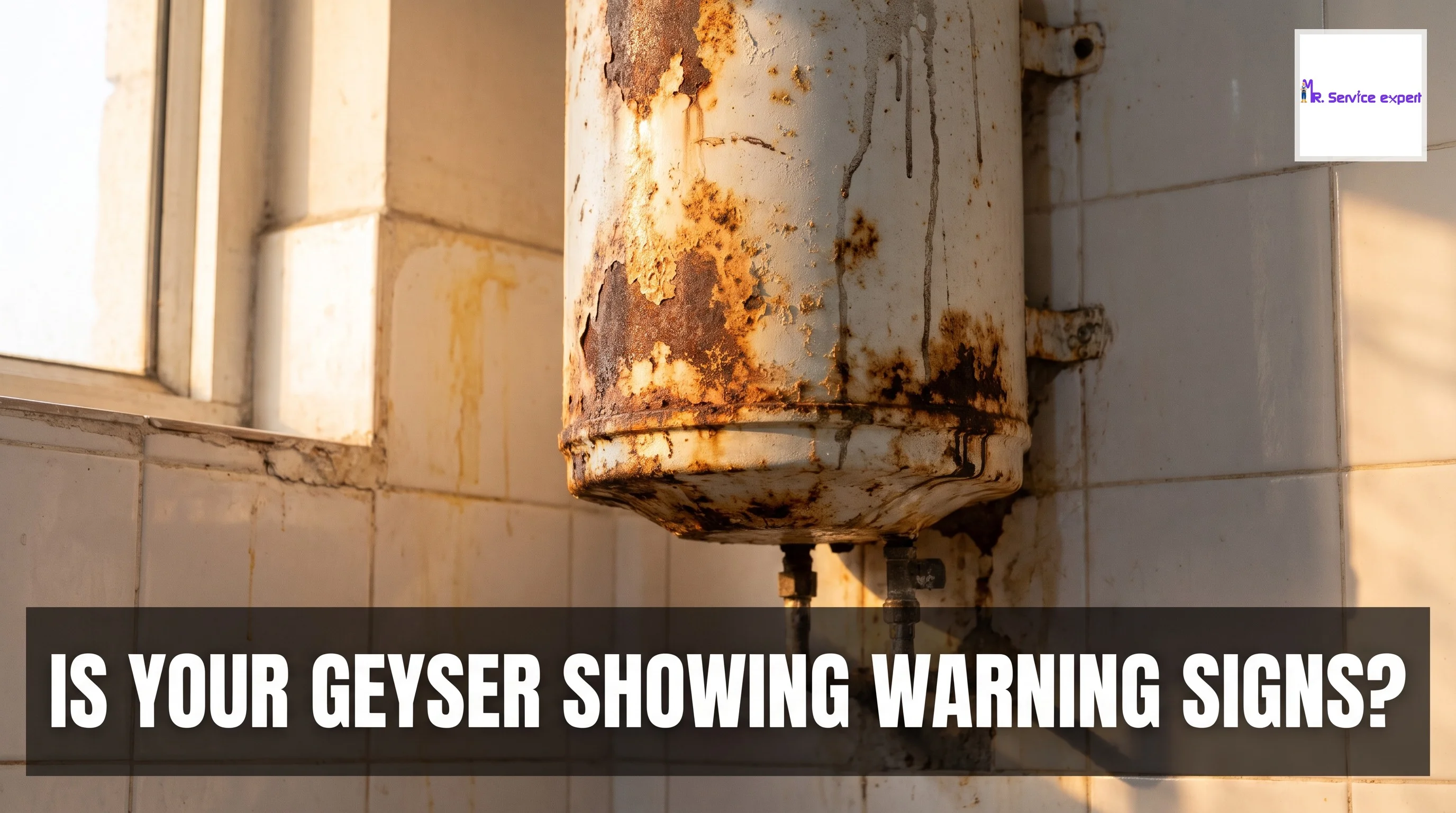
Visible rust and corrosion on your geyser's exterior or around pipe connections represent serious geyser replacement signs that should never be ignored. Rust indicates that moisture has compromised the protective coating and reached the metal body, suggesting internal deterioration as well. When rust appears on the tank's outer surface, the internal lining has likely suffered similar damage, making leaks imminent. Corrosion around the pressure relief valve, inlet, or outlet pipes signals that these critical components are failing and may soon cause water damage.
Water leakage is perhaps the most obvious and urgent indicator that replacement is necessary. Small drips can quickly escalate into significant leaks that damage floors, walls, and electrical systems. Leaks typically originate from corroded tanks, failed gaskets, or cracked fittings. While minor connection leaks might be repairable, any leakage from the tank body itself indicates irreversible damage. Tank leaks occur when rust perforates the steel, creating holes that cannot be effectively patched. If you notice water pooling around your geyser's base or moisture on walls near the unit, immediate inspection by a professional is essential.
Discolored or rusty water flowing from your hot water taps clearly indicates internal tank corrosion. When you notice brown, reddish, or murky water only from hot taps while cold water remains clear, the problem originates within your geyser. This discoloration results from rust particles and sediment mixing with the heated water. The presence of rusty water means the protective glass lining inside the tank has failed, allowing water to directly contact the steel. This is one of the definitive old geyser problems that cannot be reversed, as the internal damage is permanent and progressive.
Unusual bulging or warping of the geyser tank indicates dangerous internal pressure buildup or structural failure. A properly functioning unit maintains its cylindrical shape, but when you observe any deformation, the tank's integrity is compromised. This distortion typically results from excessive pressure, scale accumulation, or metal fatigue. A deformed tank poses serious safety risks including potential rupture and flooding. Any visible changes to your geyser's shape warrant immediate disconnection and professional assessment.
Persistent moisture, dampness, or water stains on the wall behind or beneath your geyser suggest ongoing slow leaks that may not be immediately visible. These hidden leaks can cause extensive structural damage over time, promoting mold growth and weakening building materials. If you detect musty odors near your geyser or observe paint bubbling and wallpaper peeling, investigate for concealed leakage immediately. Such conditions indicate that replacement should occur urgently to prevent further property damage.
Performance Issues That Indicate System Failure
One of the most common geyser replacement signs is the inability to consistently provide hot water at the desired temperature. When your geyser struggles to heat water adequately despite extended operation, the heating element has likely degraded beyond effective function. You might notice that water takes significantly longer to heat or never reaches the comfortable temperature it once did. This performance decline indicates that internal components are failing, and energy is being wasted without corresponding heating benefits. Modern geysers heat water more efficiently and maintain temperature better than aging units.
Frequent temperature fluctuations during use represent another critical indicator of geyser failure. If your shower alternates unpredictably between hot and cold, or if the water temperature drops rapidly, the thermostat or heating element is malfunctioning. These fluctuations disrupt daily routines and suggest unreliable system operation. While thermostat replacement might temporarily address the issue, recurring temperature problems in older geysers typically signal broader system deterioration. Consistent hot water delivery is a basic expectation that failing geysers cannot meet.
Strange noises emanating from your geyser indicate serious internal problems that often precede complete failure. Rumbling, popping, crackling, or banging sounds result from sediment buildup on the heating element and tank bottom. As water heats, it must boil through the sediment layer, creating these characteristic noises. Excessive sediment accumulation reduces heating efficiency, damages the element, and accelerates tank corrosion. While periodic flushing through maintenance can reduce sediment, older tanks with years of buildup face permanent damage. Loud operational noises represent old geyser problems that signal approaching end-of-life.
Rapid exhaustion of hot water supply suggests tank capacity has diminished due to sediment accumulation. If your household's hot water needs suddenly exceed what your geyser provides, despite unchanged usage patterns, sediment has likely displaced significant water volume. This sediment layer occupies space that should hold heated water, effectively reducing tank capacity. Additionally, the insulating effect of sediment forces the heating element to work harder while producing less usable hot water. This inefficiency increases electricity consumption while decreasing performance.
When your geyser's circuit breaker trips repeatedly or if you smell burning plastic or electrical odors, electrical system failure is occurring. These signs indicate dangerous conditions including potential fire hazards. Aging heating elements can develop electrical shorts, thermostats can malfunction, and wiring insulation can deteriorate. Electrical problems in water heaters present serious safety risks that demand immediate professional attention. If electrical issues coincide with other geyser replacement signs, replacement is the safest course of action rather than attempting piecemeal Geyser repairing.
Safety Concerns and Health Hazards
Pressure relief valve malfunction represents one of the most dangerous old geyser problems requiring immediate replacement consideration. This critical safety component prevents excessive pressure buildup that could cause tank rupture. When the valve continuously drips, frequently discharges, or fails to operate, the geyser poses explosion risks. Testing the pressure relief valve periodically is essential maintenance, but if it fails testing or shows signs of corrosion, and the geyser is older, replacement is advisable. Modern geysers feature improved safety valves and multiple redundant protection mechanisms.
Gas leaks in gas-powered geysers present life-threatening hazards demanding urgent action. If you smell gas near your water heater, hear hissing sounds, or notice dead vegetation around outdoor vents, evacuate immediately and contact professionals. Gas leaks can cause fires, explosions, and carbon monoxide poisoning. While some gas leaks result from connection issues, others indicate valve failures or heat exchanger cracks within the unit itself. Given the serious risks, older gas geysers showing any leak signs should be replaced rather than repaired.
Carbon monoxide production from incomplete combustion in gas geysers represents a silent killer. Older gas water heaters with deteriorating burners, blocked vents, or damaged heat exchangers may produce dangerous carbon monoxide levels. Symptoms of exposure include headaches, dizziness, nausea, and confusion. Installing carbon monoxide detectors near gas geysers is essential, but prevention through timely replacement of aging units is better. Modern gas geysers incorporate better combustion chambers and more reliable venting systems that minimize these risks.
Electrical hazards multiply as geysers age and insulation deteriorates. Water and electricity create dangerous combinations, and older geysers with compromised wiring, damaged heating elements, or corroded terminals present electrocution risks. If you notice sparks, burning smells, or experience electrical shocks when touching the geyser or nearby fixtures, immediate disconnection is necessary. These electrical failures often accompany other end-of-life symptoms, making replacement the appropriate solution. Modern electrical geysers feature ground fault protection and improved insulation that significantly enhance safety.
Bacterial growth and contamination in old water heaters affect water quality and family health. Storage geysers operating at lower temperatures or with heavy sediment accumulation can harbor harmful bacteria including Legionella. If tap water develops unusual odors, tastes, or causes skin irritation, bacterial contamination might be present. While increasing temperature and flushing can temporarily address this, chronically contaminated geysers with corroded interiors should be replaced. New geysers with antimicrobial tank linings and better temperature management prevent these health concerns.
Cost Analysis: Repair Versus Replacement Decision
Understanding the financial implications of repair versus replacement helps homeowners make economically sound decisions. The general rule suggests that if repair costs exceed 50 percent of a comparable new unit's price, replacement provides better value. For example, if a new 25-liter storage geyser costs INR 8,000 and repairs total INR 4,500, investing in a new unit makes more sense. This calculation should also consider the geyser's age and the likelihood of additional failures requiring further service calls.
Comparing repair costs against replacement investment requires considering multiple factors beyond immediate expenses. Here is a practical cost comparison for typical scenarios:
| Scenario | Repair Cost (INR) | New Geyser Cost (INR) | 3-Year Energy Savings | Recommended Action |
|---|---|---|---|---|
| Thermostat replacement (3-year-old geyser) | 1,200 - 1,800 | 7,000 - 10,000 | Minimal | Repair |
| Heating element replacement (8-year-old geyser) | 2,500 - 3,500 | 8,000 - 12,000 | 3,000 - 5,000 | Consider replacement |
| Tank leak (10-year-old geyser) | Not repairable | 8,000 - 15,000 | 4,000 - 6,000 | Replace immediately |
| Multiple component failures (12-year-old geyser) | 4,000 - 6,000 | 9,000 - 15,000 | 5,000 - 8,000 | Replace |
Energy efficiency improvements in modern geysers represent substantial long-term savings that offset replacement costs. A typical older geyser consumes approximately 2,000 watts and operates inefficiently due to poor insulation and degraded components. New 5-star rated models consume similar power but heat water faster and retain temperature longer, reducing overall electricity usage. Annual savings of INR 1,500 to INR 2,500 are realistic when replacing 10-year-old geysers with energy-efficient models. Over the new geyser's lifespan, these savings can significantly reduce your overall investment.